Magic 2.0
Magic 2.0
TL;DR: Six comedic novels about a clique of socially awkward computer guys who discover that reality is a text file, edit themselves into superpowers, and flee to medieval England to LARP as wizards — only to keep tripping into bigger problems with each other, with history, and with the people who came up with this trick before they did.
Spoiler-light. Premises only — no major reveals from any book.
What the series actually is
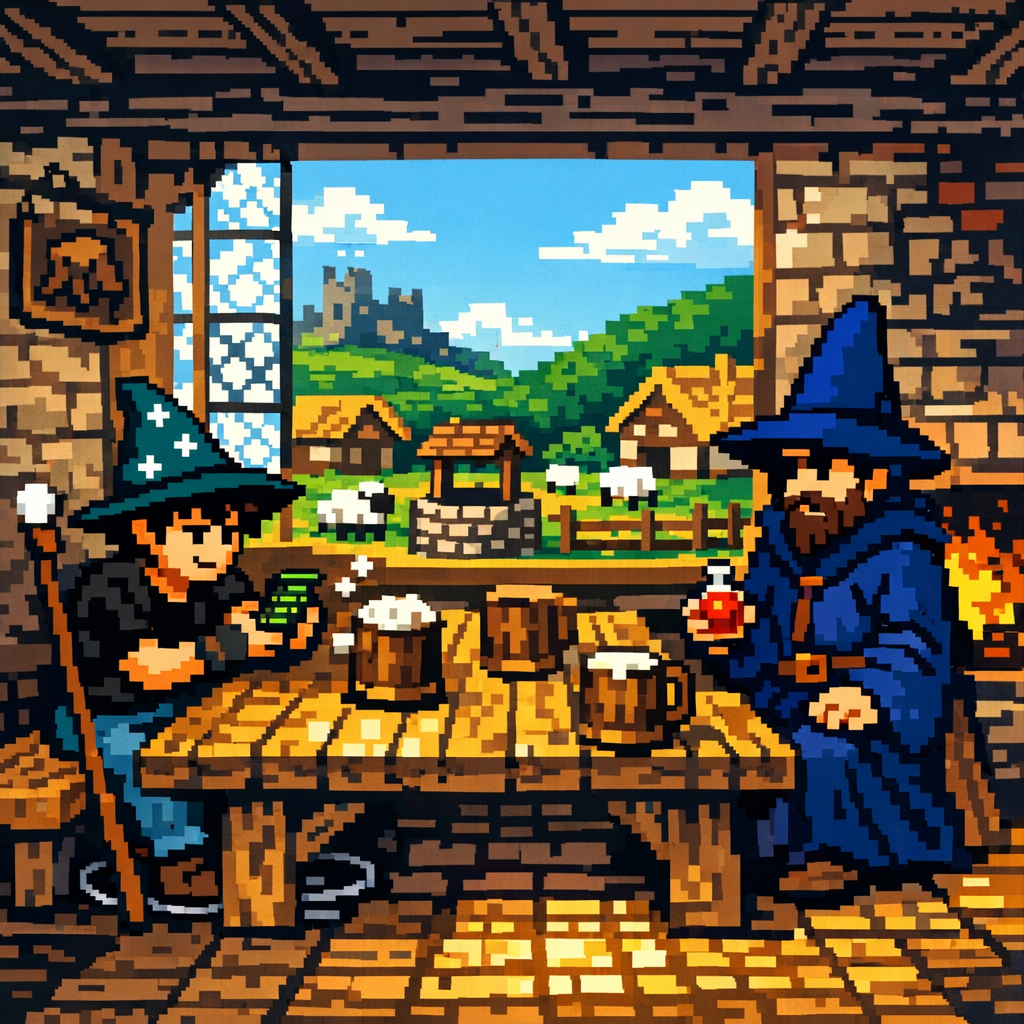
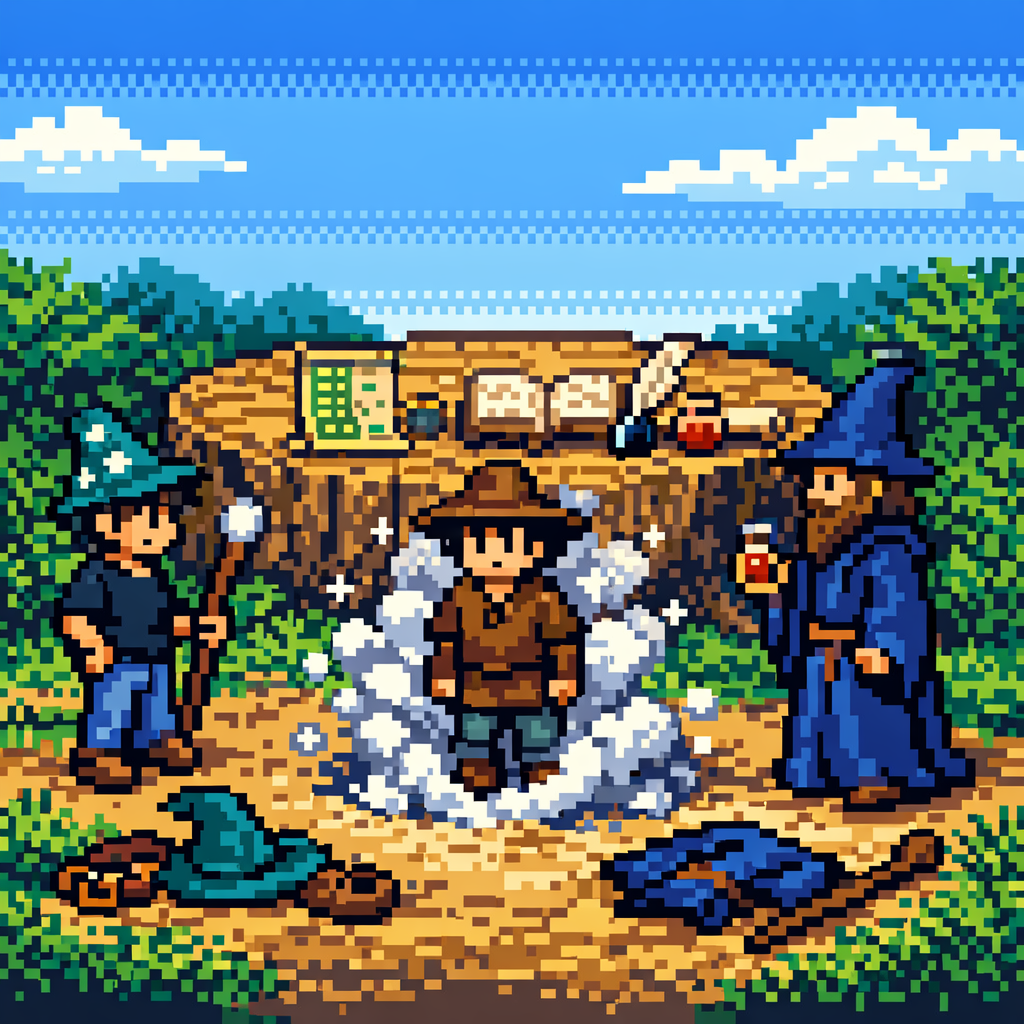
Scott Meyer's Magic 2.0 runs on one wonderful conceit: every "magic" trick in the books is a computer geek finding a file, hex-editing a number, and watching reality recompute. There's no spell-craft, no chosen one, no ancient prophecy. There's a hidden file called Repository1-c.txt, and any sufficiently curious nerd who finds it can turn themselves invisible, levitate, time-travel, or quietly add a few zeroes to their bank balance. The joke — and the heart — of the series is what happens when you let that toy fall into the hands of normal people. They don't conquer the world. They argue. They form clubs. They overcomplicate everything. They date.
It is fundamentally a comedy. Tone-wise, it sits between The Hitchhiker's Guide to the Galaxy and a Terry Pratchett Discworld novel — wry narrator, rim-shot dialogue, recurring jokes that mature into character beats. The medieval-England wizard fraternity is the central setting, but the books happily detour into Atlantis, into a pocket-dimension video game, into modern Seattle, and forward into futures the characters probably shouldn't have visited. It is light reading that respects the reader; the prose never strains for literary effect, but the worldbuilding genuinely earns its laughs.
If you like stories where the rules of the world are knowable and a clever protagonist exploits them, this is your series. If you want grimdark stakes, prophecy, or ornate magic systems, this is not.
Best reading order
Read in publication order. Each book picks up directly from the last and assumes you remember names, jokes, and grudges. There is no in-world chronological reordering that helps — even though the cast time-travels constantly, the story moves forward book by book.
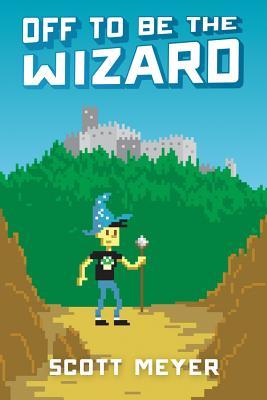
- Off to Be the Wizard (2014) — origin story
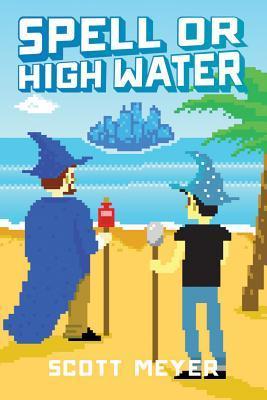
- Spell or High Water (2014) — Atlantis summit
- An Unwelcome Quest (2015) — trapped in a video game
- Fight and Flight (2017) — the dragon problem
- Out of Spite, Out of Mind (2018) — multiple selves, multiplied trouble
- The Vexed Generation (2019) — the next generation finds out
You can technically read book one as a standalone — it has a complete arc — but each subsequent book leans hard on prior payoffs.
Recurring cast
These are the people you'll keep meeting. Roles below are spoiler-safe to the premise of book one only.
- Martin Banks — series protagonist, twenty-something Seattle hacker who finds the file in book one. Funny, chronically unprepared, prone to making things up on the fly.
- Phillip — gruff senior wizard, Martin's reluctant mentor, a 1980s programmer who fled to medieval England long before Martin showed up. Quietly the heart of the books.
- Gwen — Leadchurch seamstress and Martin's love interest, with a backstory of her own that book one drops a bomb about — and book two pulls into the foreground.
- Brit the Elder and Brit the Younger — introduced in book two. The same woman at two different points in her life, both alive at the same time because she built her own city in the past. They do not get along. They cannot afford to walk away from each other.
- Gary, Tyler, and the wider wizard fraternity — Leadchurch regulars and visiting "wizards" from various decades, hiding in medieval Europe and trying not to get noticed by anything bigger than themselves.
Later books expand to include more Atlantis sorceresses and the next generation of Banks kids, but you'll meet them when you get there.
The world, in one breath
Reality is a computer program. The file is called Repository1-c.txt. Anyone who finds it can rewrite the world by editing their own entry — and a few dozen people across history have. Most of them are men in their twenties from the 1970s, '80s, '90s, and 2010s; almost all of them used the discovery to do roughly what you would expect a twenty-something computer geek to do, which is escape into a fantasy. The medieval-Europe wizard fraternity is the largest of these enclaves. Atlantis, introduced in book two, is another — a domed seaside city built by women time-travelers who got there first and made themselves a sanctuary. The series gradually reveals just how widespread this knowledge is, and what older, smarter people have done with it.
Magic in the books is not Hogwarts. It's macros. Wizards memorize "spells" the same way an old-school programmer memorized AT commands — a string of nonsense words that pings the file and edits something. Faith matters because doubt makes you flub the incantation. Showmanship matters because everyone around them in 1150 thinks this is real magic. The whole thing is a long-running joke about the gap between what code does and what the people watching it think it does.
Major arcs across the series
- Books 1–2: Origin and expansion. Martin learns the rules; Martin meets the wider community; Martin discovers the rules he's playing by are not the only ones. Book two adds Atlantis and a stable-time-loop paradox that quietly shapes the rest of the series.
- Books 3–4: Consequences. What you do with the file catches up with you. Old enemies escape. New enemies arrive. The wizards keep making things they shouldn't have made.
- Books 5–6: Generations and selves. Time travel finally chickens come home to roost — characters meet other versions of themselves, and the next generation gets pulled in.
Stakes escalate, but the comedy stays steady. Even the grimmest book is funny.
Book-by-book — premise only
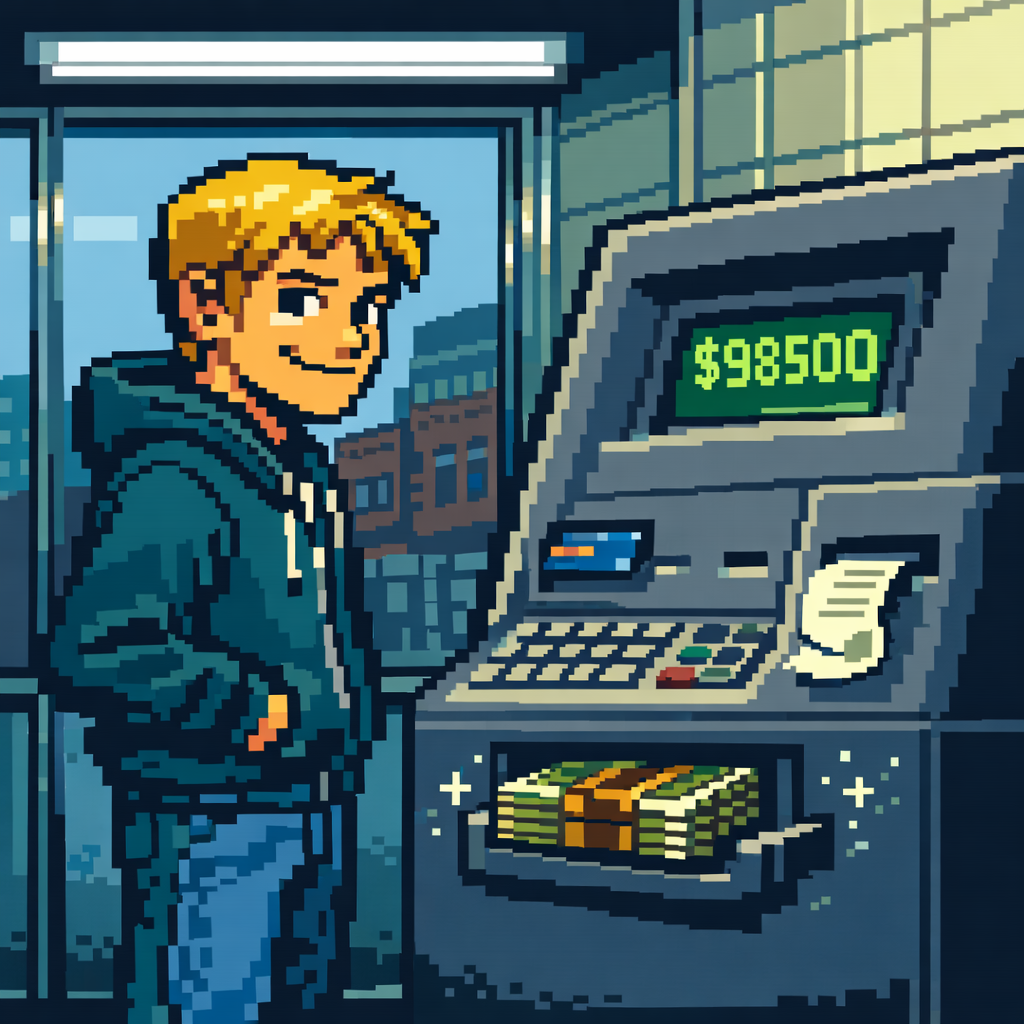
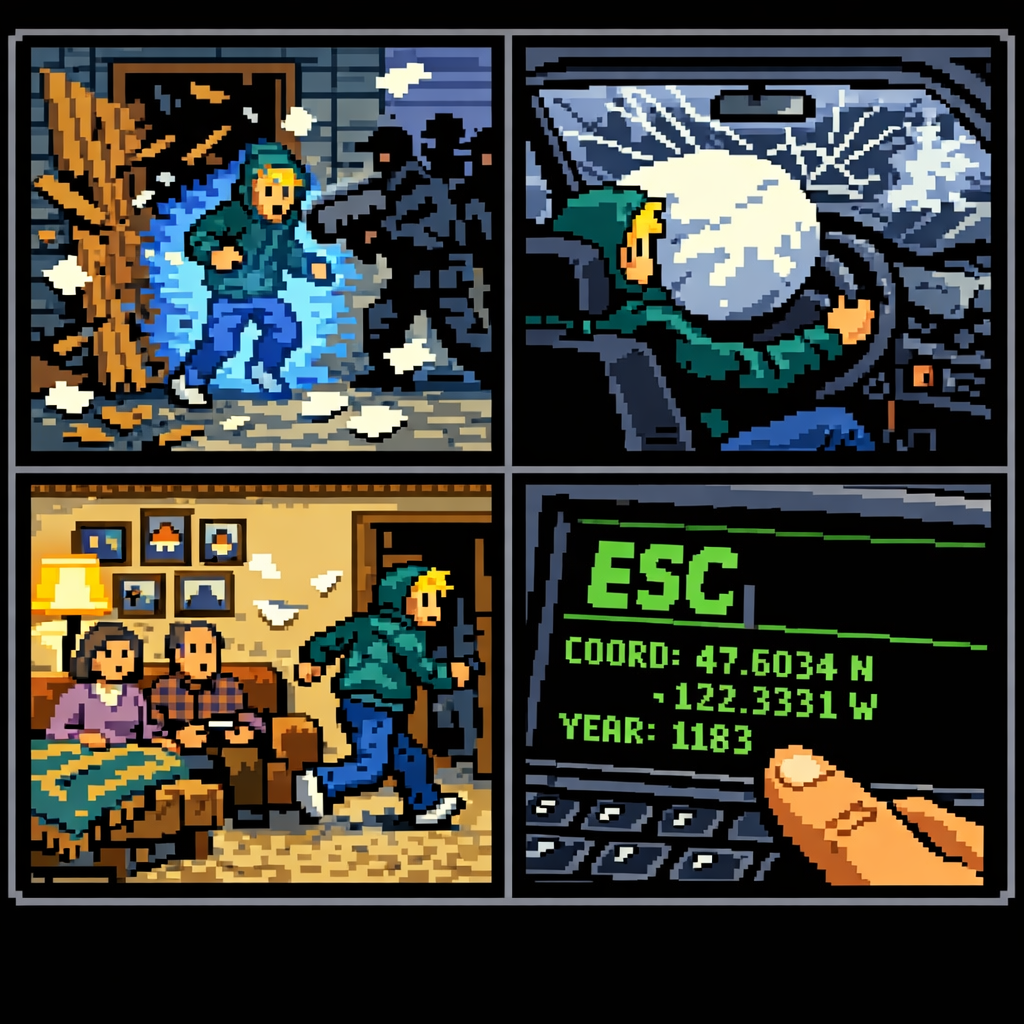
Off to Be the Wizard (Book 1, 2014). Martin finds the file, gets caught padding his bank account, and flees to twelfth-century England to hide as a wizard — where he discovers a couple dozen other "wizards" got there first. Series origin and the most self-contained book.
Spell or High Water (Book 2, 2014). A summit of time-traveler colonies brings Martin and Phillip to Atlantis — a domed seaside city run by sorceresses, where Martin tries to win Gwen back and naturally gets dragged into an assassination mystery instead. Introduces Brit the Elder and Brit the Younger, the stable-time-loop joke that the rest of the series builds on.
An Unwelcome Quest (Book 3, 2015). The wizards get trapped inside a homebrew video-game world built by an old enemy, with their powers stripped. The pure D&D-meets-debugger book of the series.
Fight and Flight (Book 4, 2017). The wizards make dragons. It does not go well. A teenage girl with allies of her own decides somebody should be held accountable, and "somebody" is them.
Out of Spite, Out of Mind (Book 5, 2018). Brit, a sorceress who has time-jumped enough to coexist with her own younger self, starts glitching. The relationship comedy goes sideways while the larger plot quietly tightens. Ends on a cliffhanger.
The Vexed Generation (Book 6, 2019). Martin and Gwen's teenage twins, Mattie and Brewster, find out their parents are not who they thought — and have to learn the file fast enough to save them. Series finale, framed through the next generation's eyes.
Who this series is for
You'll like Magic 2.0 if you want:
- A comedy that respects your time and doesn't padding-explain its own jokes
- Worldbuilding rooted in computers, hacker culture, and "what if a normal person had this power"
- Slow-build ensemble dynamics — friendships, rivalries, awkward romances
- Time travel handled lightly but not lazily
- The vibe of Hitchhiker's Guide or early Pratchett
You'll bounce off Magic 2.0 if you want:
- High-stakes, grimdark fantasy
- Intricate, rule-bound magic systems with hard limits
- Heavy literary prose
- A protagonist who is never the butt of the joke
If you liked this, read next
(coming soon — recommendations across genre and mood)