
Chapter 10
Chapter 10 — "Authenticity — Know Thyself"
TL;DR: A team can only be as honest as its individuals — self-knowledge is the floor of trust, and trust is the floor of performance.
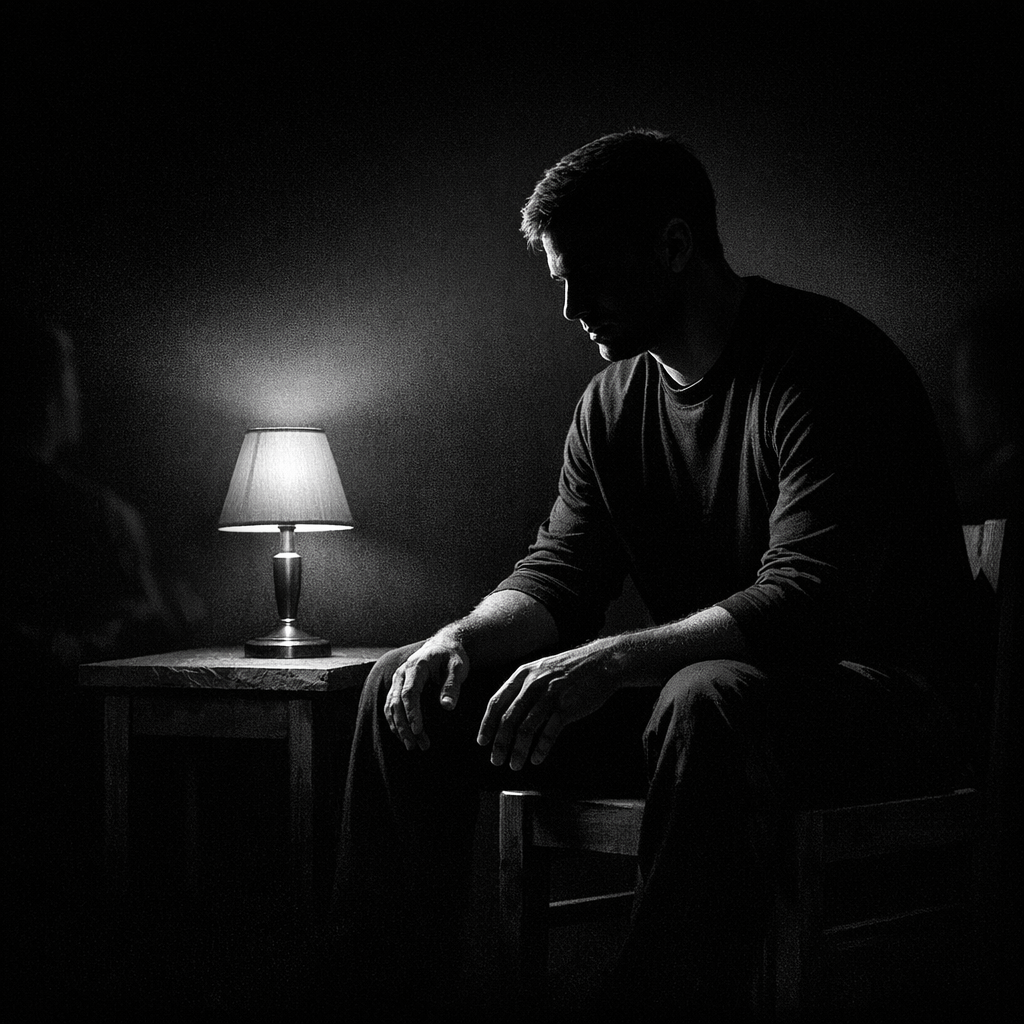
Summary: Chapter ten is the most introspective. Kerr argues that the All Blacks' culture only works because the men inside it know themselves — strengths, blind spots, history, what makes them flinch. The team builds psychological safety through structured self-disclosure: players present "personal stories" to the squad — where they come from, what shaped them, why they wear the jersey. The Māori epigraph whakapūpūtia mai ō mānuka, kia kore ai e whati — "cluster the branches of the mānuka tree so they cannot be broken" — frames the lesson: vulnerability creates the bundling that strength requires. Kerr cites Brené Brown's research on vulnerability and trust, alongside ancient Greek "know thyself" inscriptions. The chapter's anchor scene is one of the most-quoted in the book: a young squad member, in a darkened team room, telling the senior players the story of his own father — an act of self-revelation that re-binds the team. The image register is intimate, lit by a single lamp, often a single face emerging from black.
Key scenes:
- A young squad member sitting on a chair in a darkened team room, telling his story to the squad seated in a horseshoe of shadow around him
- A close-up of a single face caught half in shadow, half in lamp-light — the visual analog of the chapter's argument
- A bound mānuka branch — the bundle that cannot be broken — used as a still-life metaphor on a slate plinth
- A handwritten letter from a father to a son, opened on a desk
Characters present: Gilbert Enoka, anonymous junior squad member sharing his story, anonymous senior squad members listening, James Kerr (narrator)
Locations / settings:
- A darkened team room — single lamp on a low table, chairs in a horseshoe
- A close-cropped portrait field — face emerging from shadow
- A desk with an opened handwritten letter and a single mānuka twig
Visual motifs: a face half-lit half-in-shadow; a bundle of mānuka branches bound with cord; a single lamp casting one circle of light into a dark room; an open letter under a hand
Emotional tone: vulnerable, intimate, reverent, tender
Confidence: high — the personal-story-disclosure ritual is one of the most-discussed practices in the book.