
Chapter 12
Chapter 12 — "Language — Invent a Language"
TL;DR: Culture is the language a group speaks to itself. Coin the words, the slogans, the metaphors — and the behavior follows.
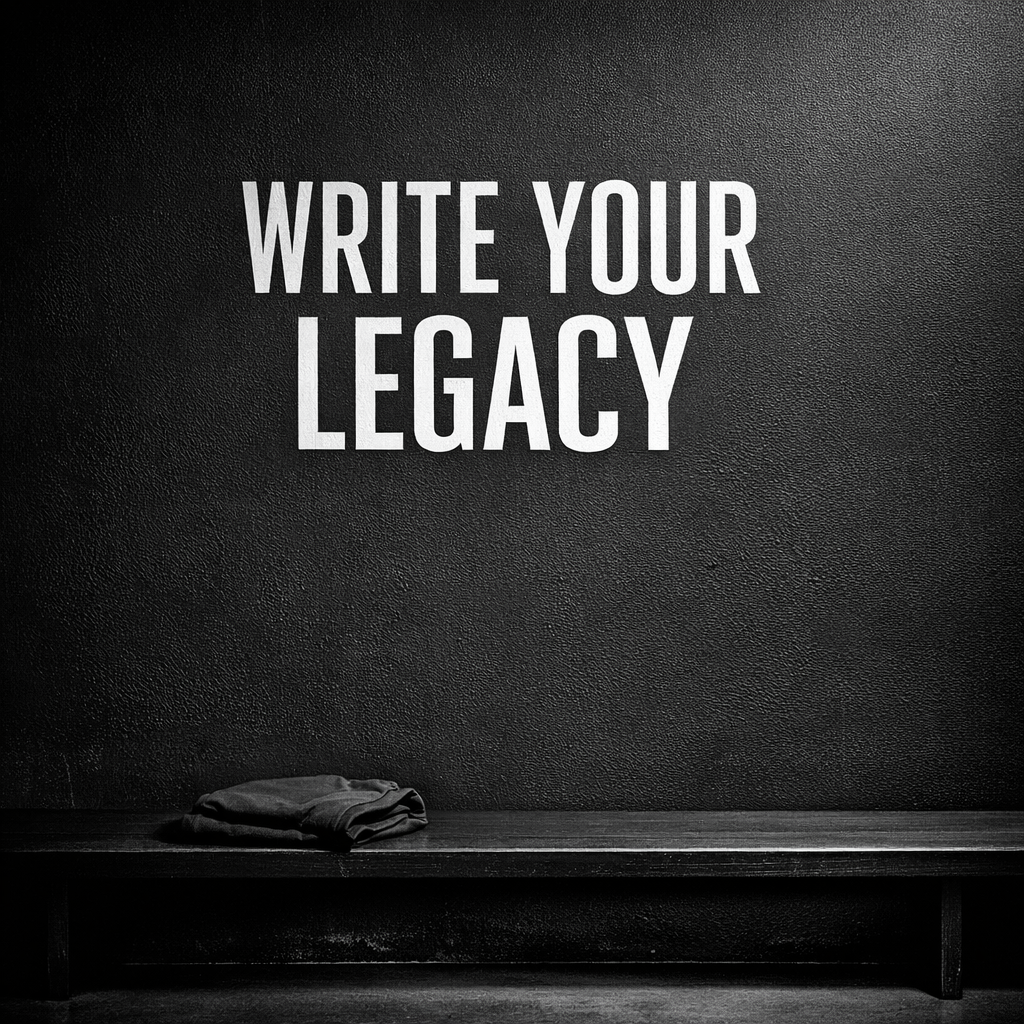
Summary: Chapter twelve is about words as load-bearing infrastructure. Kerr catalogs the All Blacks' invented vocabulary — Sweep the Sheds, No Dickheads, Keep a Blue Head, Better People Make Better All Blacks, Champions Do Extra, Be a Good Ancestor — and argues these aren't slogans, they're operating instructions. He shows how the team deliberately crafts shared metaphors (the "K.B.H." letters, the haka call-and-response, the locker-room mottos painted above the door) and reinforces them in every meeting until they become reflex. The Māori dimension is essential: the language of the team is bilingual on purpose, with whakataukī (proverbs) treated as load-bearing wisdom rather than decoration. Kerr cites linguistic-relativity research (Whorf-Sapir lite) and brand-building literature, then circles back to the dressing room where every wall carries a phrase and every phrase has a job. The chapter's defining image is a wall painted matte black with a single pristine white phrase across it — typography as architecture, exactly as the cover trains you to see it.
Key scenes:
- A locker-room wall painted matte black with a single white phrase across it, set in a clean condensed sans
- A coach's printed brief with a glossary of team-internal terms — a small dictionary of the in-house language
- A Māori cultural advisor leading a circle through a whakataukī recital, hands tracing the words in air
- A graphic-design wall pin-up of three or four mantras stacked vertically — type-as-architecture
Characters present: Wayne Smith, Gilbert Enoka, an unnamed Māori cultural advisor, the squad as composite, James Kerr (narrator)
Locations / settings:
- The All Blacks dressing room with a wall of painted phrases
- A meeting-room wall with a glossary printout pinned to a corkboard
- A circle session led by a kaumātua, hands lifted in recitation
- A graphic-design pin-up wall — type stacked monumental against black
Visual motifs: a single phrase in white sans-serif painted on a matte black wall; a small printed glossary on a slate desk; lips mid-recitation; type-as-architecture stacked vertically on black
Emotional tone: deliberate, declarative, crafted, almost liturgical
Confidence: medium-high — the language-as-culture argument is widely cited; specific dressing-room wall paint composite-style.