
Chapter 6
Chapter 6 — "Whānau — No Dickheads"
TL;DR: The famous one-line selection rule: pick character, not just talent — anyone who damages the team's tikanga is cut, no matter how gifted.
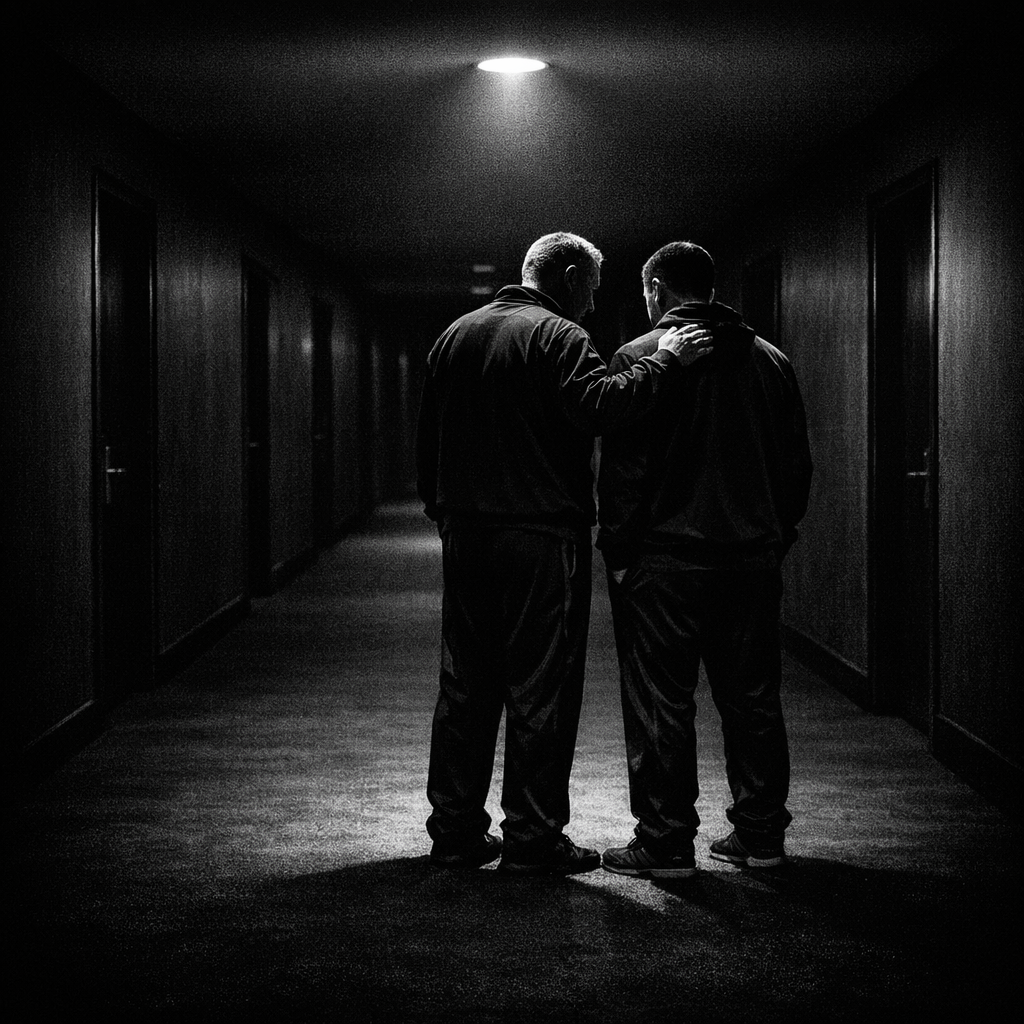
Summary: Chapter six explains the All Blacks' most-quoted internal phrase: the "No Dickheads Policy." Selection meetings explicitly weigh character alongside talent; a player who poisons the dressing room or breaks the team's standards is dropped, regardless of his statistical case. Kerr roots this in the Māori concept of whānau — extended family, treated literally rather than metaphorically. The team is not a workplace; it is a kinship structure with rituals, elders, obligations, and the right to exclude. The chapter's anchor scenes are quiet: a senior player having a hard conversation with a younger one in a corridor; a coach naming a non-selection in a one-line note; a circle of players standing for a karakia (Māori prayer) before a match. The argument cuts against modern celebrity-team building — Kerr's contrast cases include flame-out individual stars elsewhere in sport. The takeaway is that culture is what you tolerate, and the All Blacks tolerate very little.
Key scenes:
- Two players in a hotel corridor, one delivering a hard private accountability conversation, posture taut
- A selection meeting where a coach silently strikes a name through a depth chart on a clipboard
- A circle of squad members standing in silence for a karakia before training, heads bowed
- A composite "wall of names" in the dressing room — every All Black ever capped, listed in chronological order
Characters present: Richie McCaw, Graham Henry, Wayne Smith, Steve Hansen, an unnamed senior player delivering a hard conversation, an anonymous junior player receiving it, an unnamed kaumātua leading karakia, James Kerr (narrator)
Locations / settings:
- A hotel corridor — beige carpet, low lighting, the only light source above the two figures
- A coaches' meeting room with a clipboard and a depth chart spread across a table
- A pre-training circle on a half-lit pitch
- The dressing room with a wall of historical names
Visual motifs: an outstretched hand on a younger man's shoulder; a name struck through with a single black line; a circle of bowed heads in raking light; a long wall of engraved names disappearing into shadow
Emotional tone: familial, exacting, unsentimental, protective
Confidence: high — "No Dickheads" and the whānau framing are among the most-cited features of the book.