Perfume
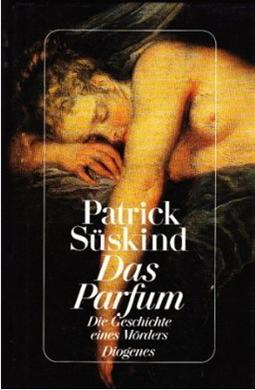
Patrick Süskind
The Story of a Murderer
Browse chapters below. Sign in anytime to save your reading progress.
Chapters
Dive deeper into the book
Themes unlock after you finish the whole book — nothing spoiled early.
Sign in to save progress, or keep reading as a guest.
About this book
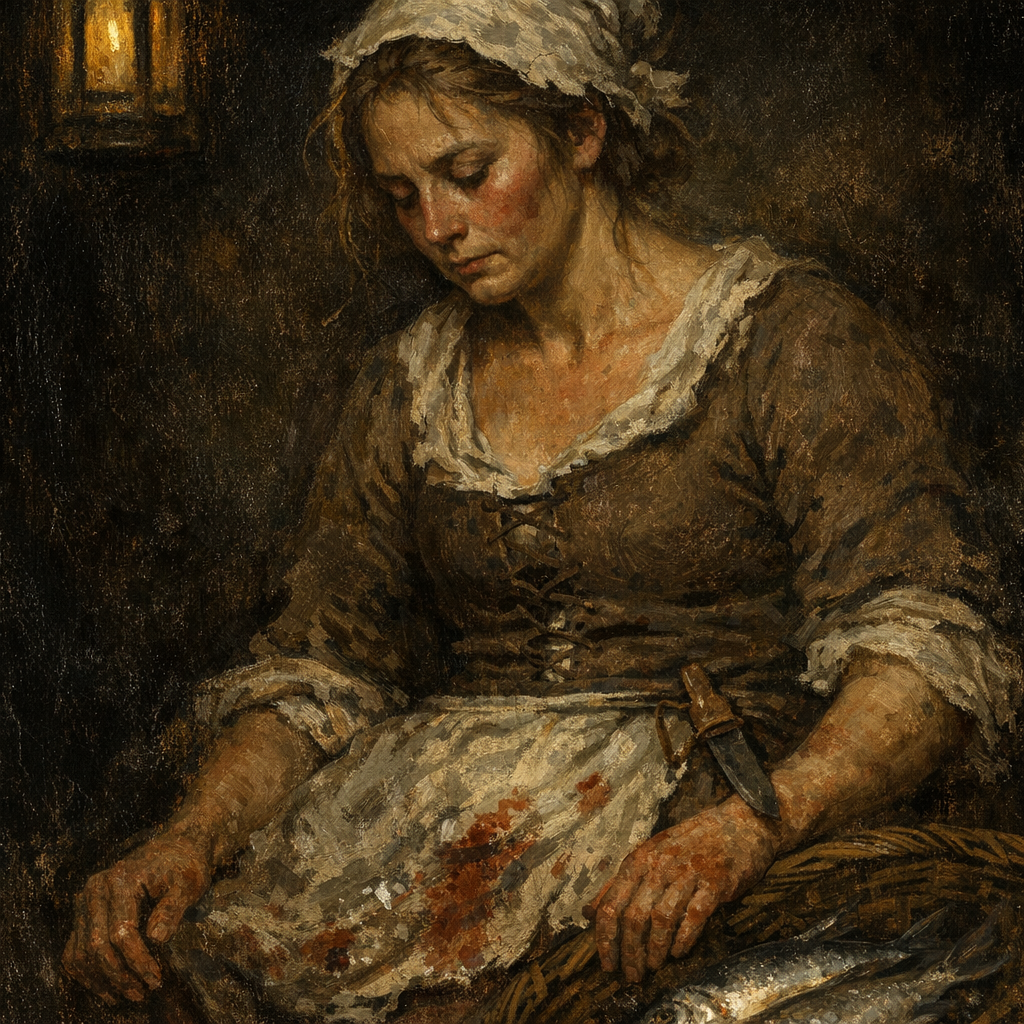
TL;DR: A boy is born in a Paris fish market in 1738 with the most acute sense of smell in human history and no scent of his own — a void his body refuses to fill. To make himself real, he learns the perfumer's craft, then begins to murder beautiful young women so he can distill their fragrance. Perfume is a literary horror story disguised as a Rococo painting: clinical, fable-cold, a meditation on identity, beauty, and what people will worship if you can put it in a vial.
Spoiler-light overview. Premise and Part-1 setup only.
Why people gather around this book
Patrick Süskind's only widely-read novel sold over twenty million copies in forty-nine languages and won both the World Fantasy Award and the PEN Translation Prize in 1987. It's the rare literary horror novel beloved by readers who don't usually read horror — because the horror is olfactory, philosophical, and almost weirdly beautiful, and because Süskind writes 18th-century France like a painter rather than a historian. The book has a reputation for changing how you walk through a city: you start smelling things you used to ignore, and you remember the book whenever you do.
It's also a perennial book-club book because the moral ground keeps slipping. Grenouille is undeniably a serial killer; he's also the only artist in the novel. The reader is the one stuck with the tension.
What to know before you read
- Vibe: literary horror crossed with historical fiction and a streak of magic realism. Calm clinical narrator, Rococo-painting visuals, occasional sensory blasts. The squalor is real — fish guts, lime pits, the Cimetière des Innocents — but the prose stays elegant.
- Pace: measured. The book is built in fifty-one short chapters across four parts, and Süskind takes his time. The first murder happens in Part 1 and there is then a long contemplative middle (a seven-year mountain hermitage) before the methodical Grasse killings begin.
- Length & structure: ~263 pages, 51 chapters, four parts: Paris childhood (ch 1–22), the cave and Montpellier (ch 23–34), the Grasse murders (ch 35–50), and the final chapter (51) standing alone.
- Content notes: serial murder of young women; an infant abandoned at birth; child labor and abuse in a tannery; a public execution; a brief but indelible scene of mass eros at the climax. Süskind's treatment is implicative more than graphic — there is almost no on-page violence — but the subject matter is unflinching.
- Translation: John E. Woods's English translation (1986) is the standard. It's faithful, lyrical, and won the PEN Translation Prize the same year the book won the World Fantasy Award. If the prose feels almost too good — that's Woods doing the work.
Main characters
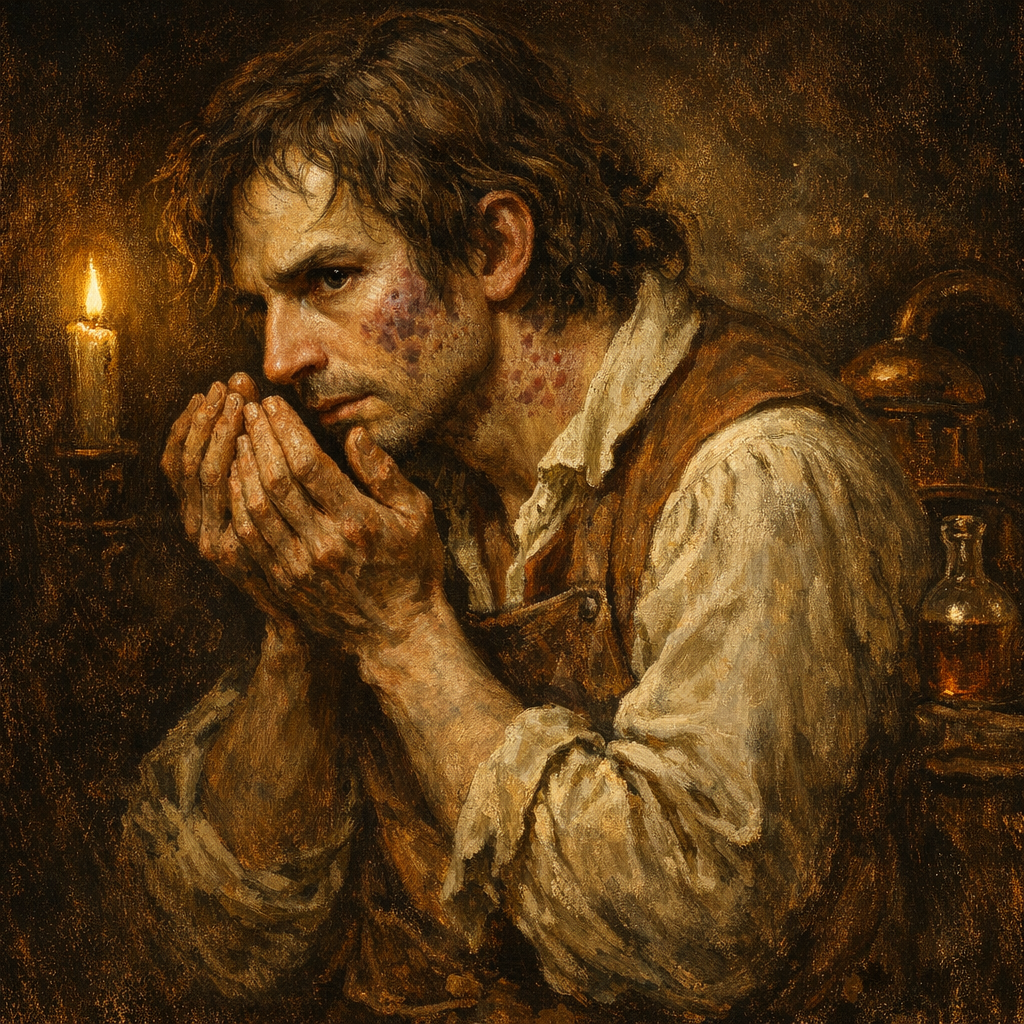
- Jean-Baptiste Grenouille — the protagonist. Tiny, hunched, anthrax-scarred, silent. The greatest nose ever born and a man with no scent of his own. Not evil in the ordinary sense; not human in any way that matters either.
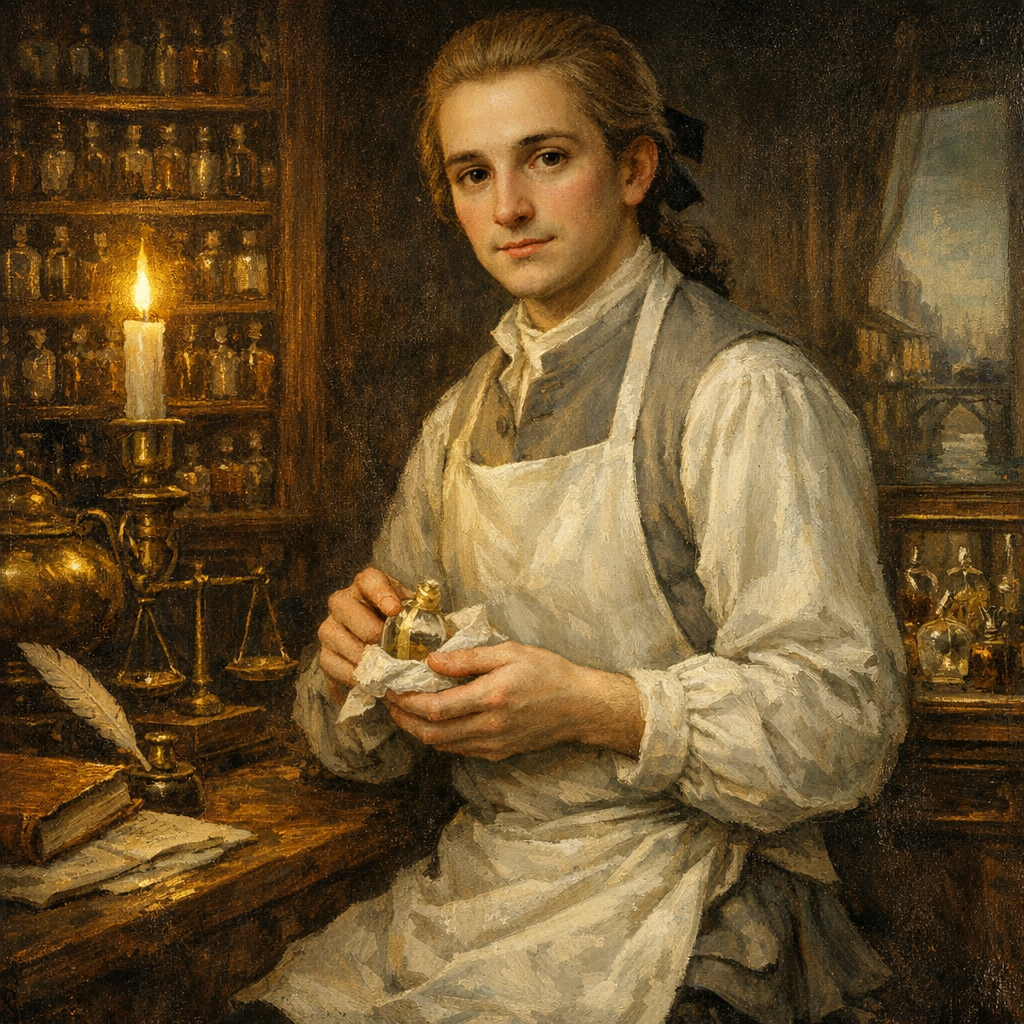
- Giuseppe Baldini — aging Italian-trained perfumer with a fading shop on the Pont au Change. The first person to use Grenouille's gift, and the first to be destroyed by it.
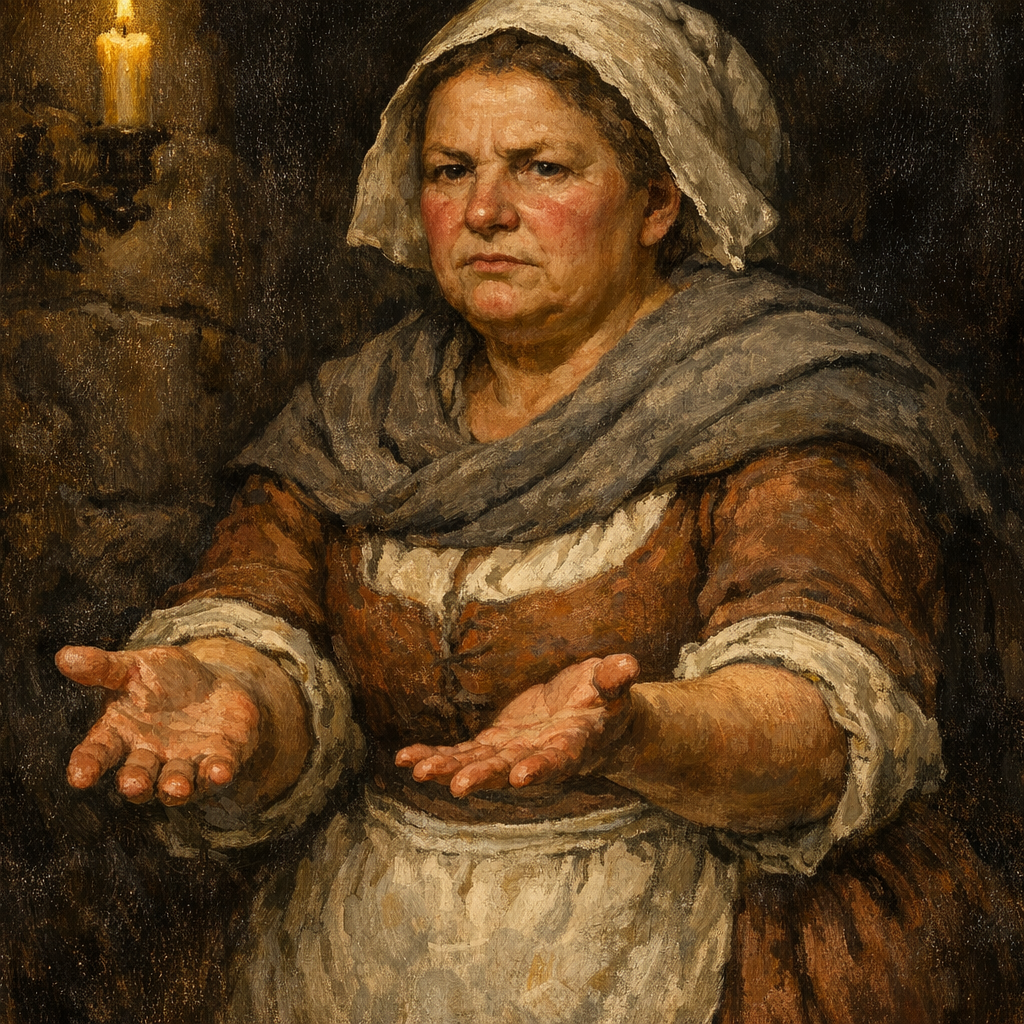
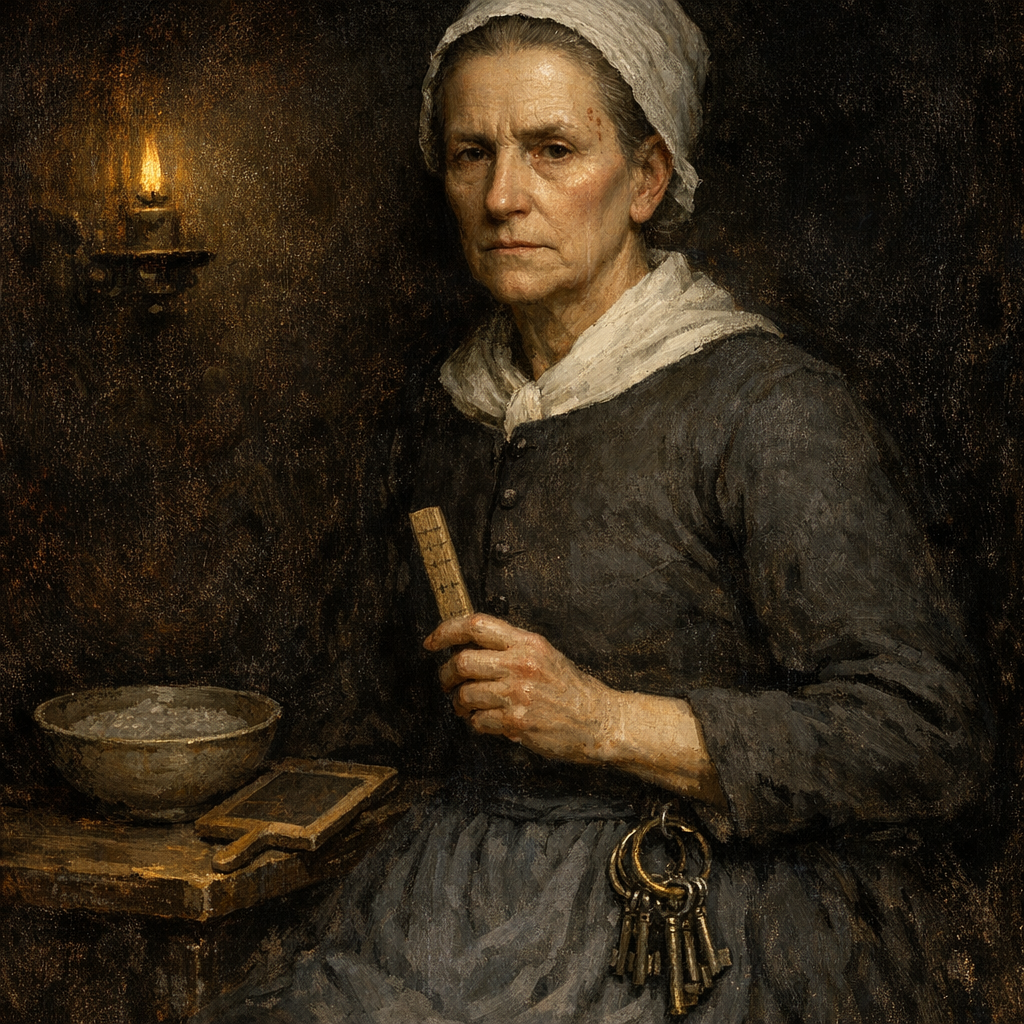
- Madame Gaillard — proprietress of the Paris children's home where Grenouille spends his early years. Has lost her sense of smell after a childhood blow to the head, which is why she fails to notice what's wrong with him. The book's quietest, cruellest joke about indifference.
- Grimal — Parisian tanner who buys Grenouille at age eight and works him in the lime pits. The first man to profit from Grenouille; like all the others, he doesn't survive it.
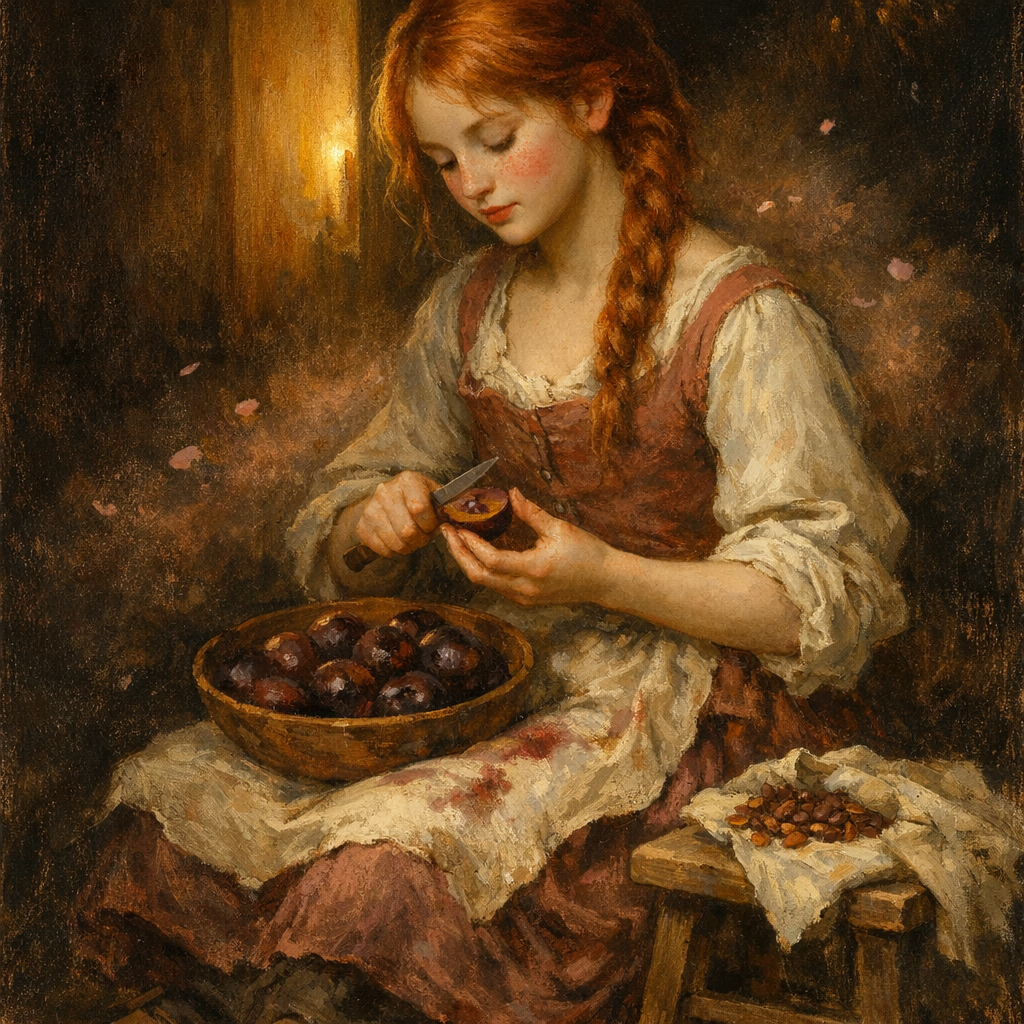
- The Plum Girl — the unnamed Paris teenager whose scent reveals to Grenouille what scent can be, and what he might do with it. The keystone memory of the book.
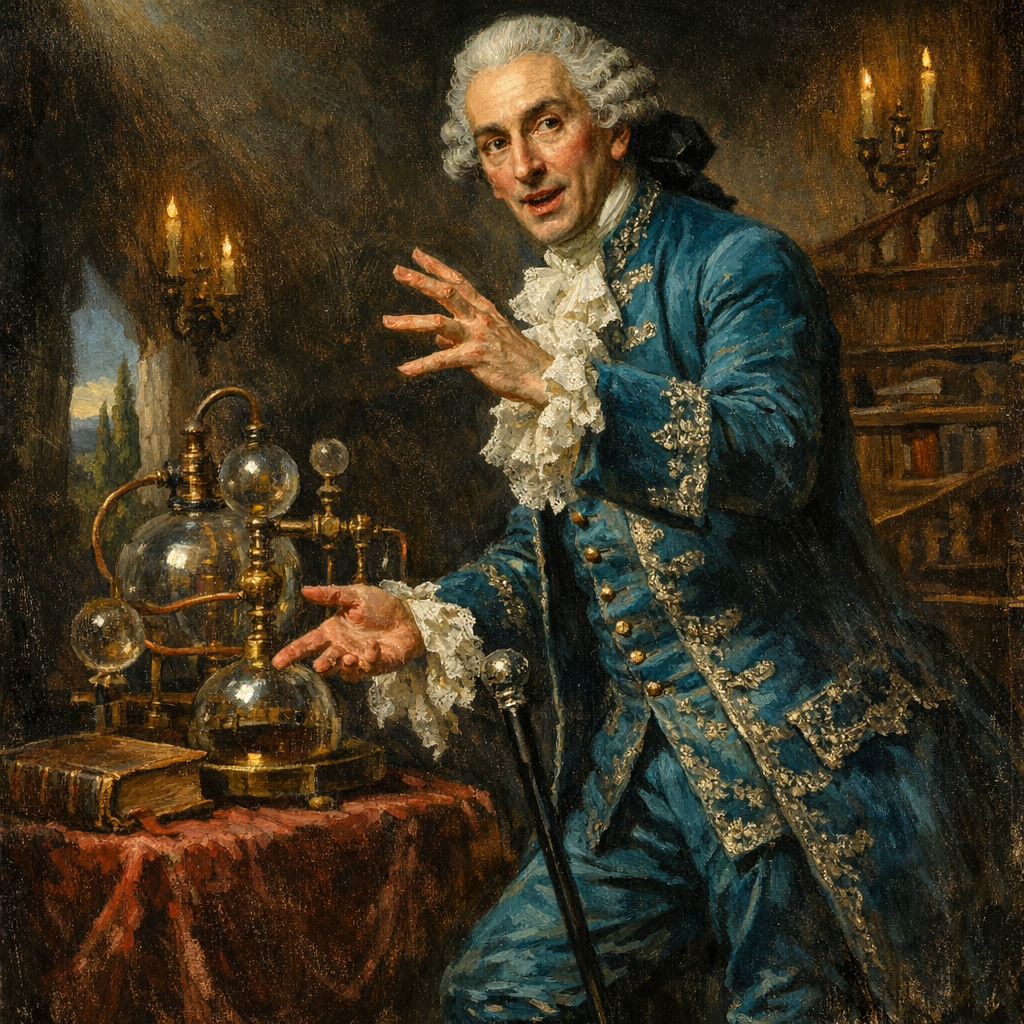
- The Marquis de la Taillade-Espinasse — Montpellier nobleman with a crackpot scientific theory who adopts the cave-emerged Grenouille as exhibit A. A comic interlude that lets Grenouille rejoin the species.
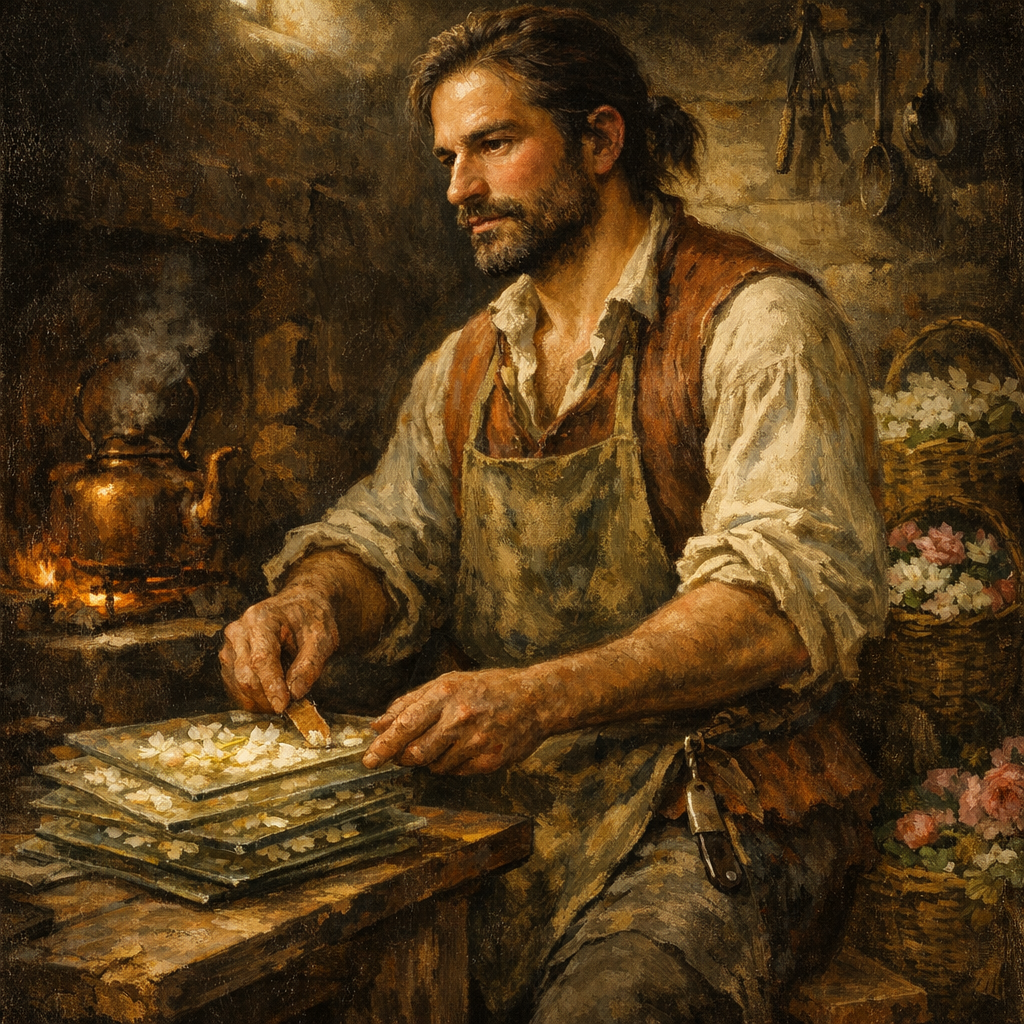
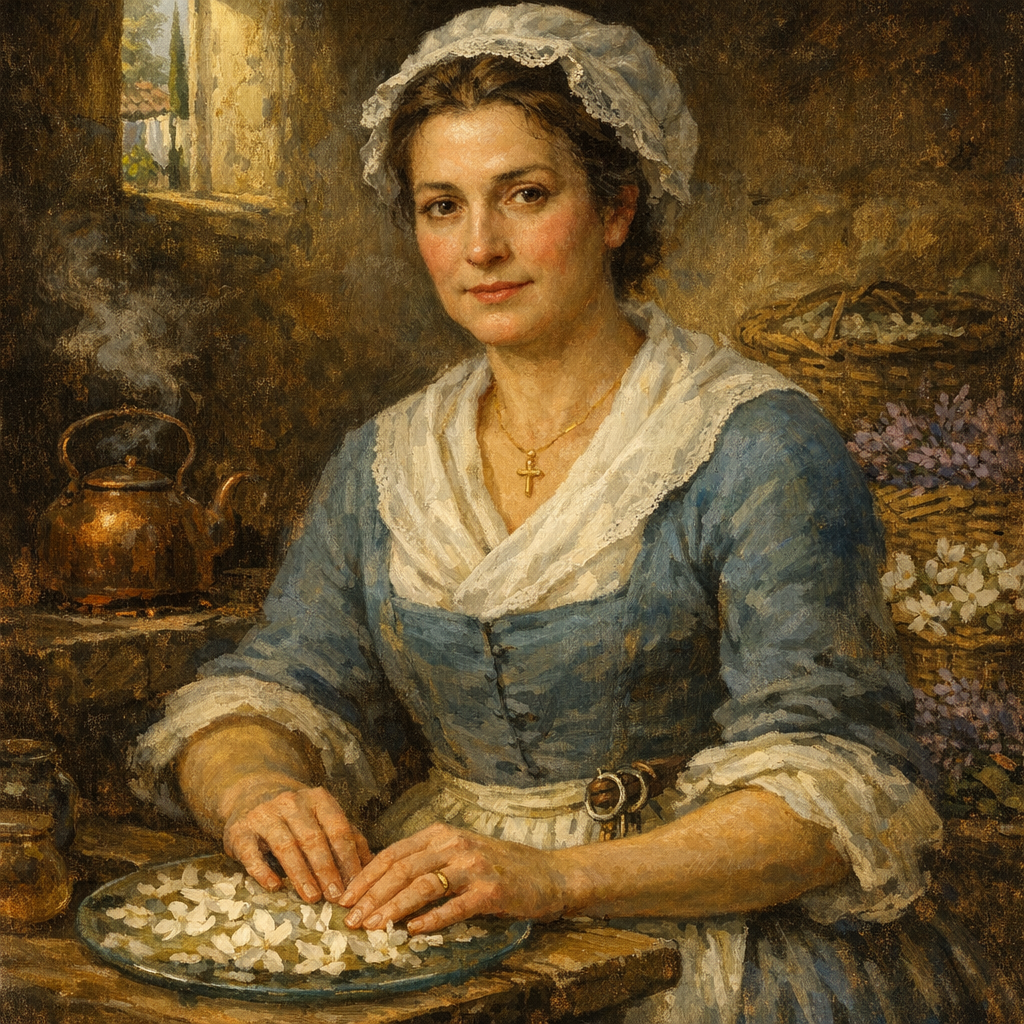
- Madame Arnulfi & Druot — the widow perfumer of Grasse and her live-in journeyman. They give Grenouille the Provençal workshop, the technique, and the cover for the murders.
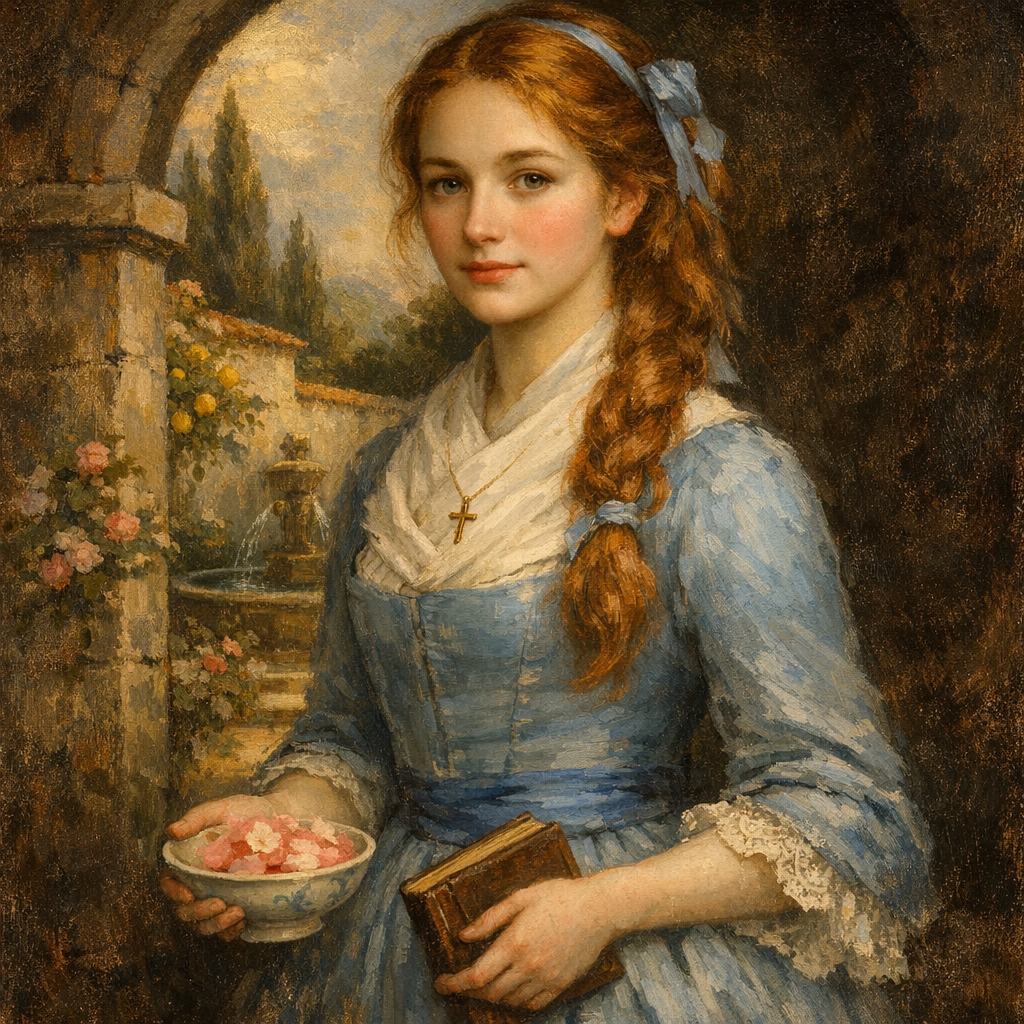
- Laure Richis — the sixteen-year-old, copper-haired daughter of Grasse's second consul. The keystone scent Grenouille has been hunting since the plum girl.
- Antoine Richis — Laure's father. The only character in the book to deduce, without help, what the killer is doing and why. A pattern of cold intelligence the book respects and then breaks.
How the book is shaped
- Part One (chapters 1–22) — Paris. Birth in the fish market; rejection by wet nurses and a parish; the children's home; the tannery; the boy mapping the city by smell; the plum girl; apprenticeship to Baldini on the Pont au Change; Grenouille's manufactured perfumes save Baldini's business; Grenouille leaves Paris with journeyman's papers, and Baldini drowns when the bridge collapses the same night.
- Part Two (chapters 23–34) — the road south. Grenouille flees human beings entirely and lives seven years in a volcanic cave in the Auvergne. He emerges to find that he has no scent of his own, builds a synthetic "human" odor from kitchen filth, performs as the Marquis de la Taillade-Espinasse's cured "earth-gas patient" in Montpellier, then walks south to Grasse.
- Part Three (chapters 35–50) — Grasse. Apprenticed to Madame Arnulfi, Grenouille perfects the cold-fat enfleurage technique on flowers and applies it to twenty-five young women, the last of whom is Laure Richis. The town panics; the bishop excommunicates the unknown murderer; Antoine Richis flees with his daughter to a coastal inn; Grenouille follows and finishes the perfume.
- Part Four (chapter 51) — one chapter. The execution-square moral inversion. Grenouille's perfume rewrites everyone who smells it. Then Paris, the Cimetière des Innocents, and an ending that has been inevitable since chapter 1.
Major themes
The cost of being an artist. Identity as something either inherited or made. Smell as the sense that bypasses reason. Pre-Revolutionary France as a body that knows it's rotting. Worship as the most dangerous reflex humans have. We pull these apart on the themes page.
Best discussion angles
- Grenouille is unambiguously a serial killer of young women. He is also the only character in the book who creates anything beautiful. How does Süskind force you to hold both at once — and is the trick fair?
- The book opens with the words "In eighteenth-century France there lived a man who was one of the most gifted and abominable personages in an era that knew no lack of gifted and abominable personages." How does that one sentence change how you read every chapter?
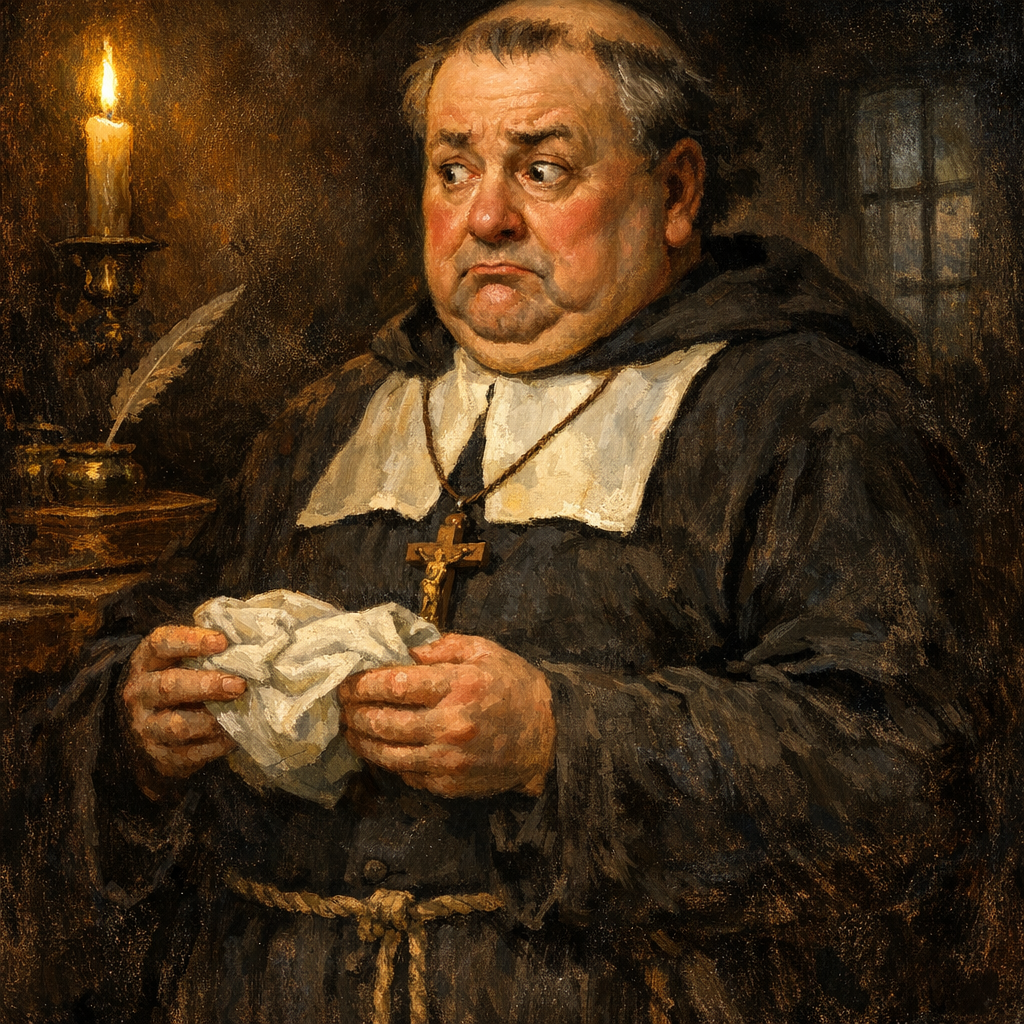
- Madame Gaillard cannot smell. Father Terrier intellectualizes. The Marquis theorizes. Grimal exploits. Baldini sells. Antoine Richis deduces. Every adult who handles Grenouille fails him in a different way. What's Süskind doing with that?
- The novel was written in German in 1985 and is set in a France two hundred and fifty years before. Why this place, this period, this language?
- The final chapter (51) is one of the most divisive endings in modern fiction. Did Süskind earn it? Should the book have ended at chapter 50?
Buy / borrow / listen
- Print: in print everywhere; widely stocked in libraries.
- Audiobook: Sean Barrett's reading is the consensus pick.
Premium kit
A full chapter-by-chapter visual companion with character art and chapter art is available in the Page Posse premium kit for Perfume.