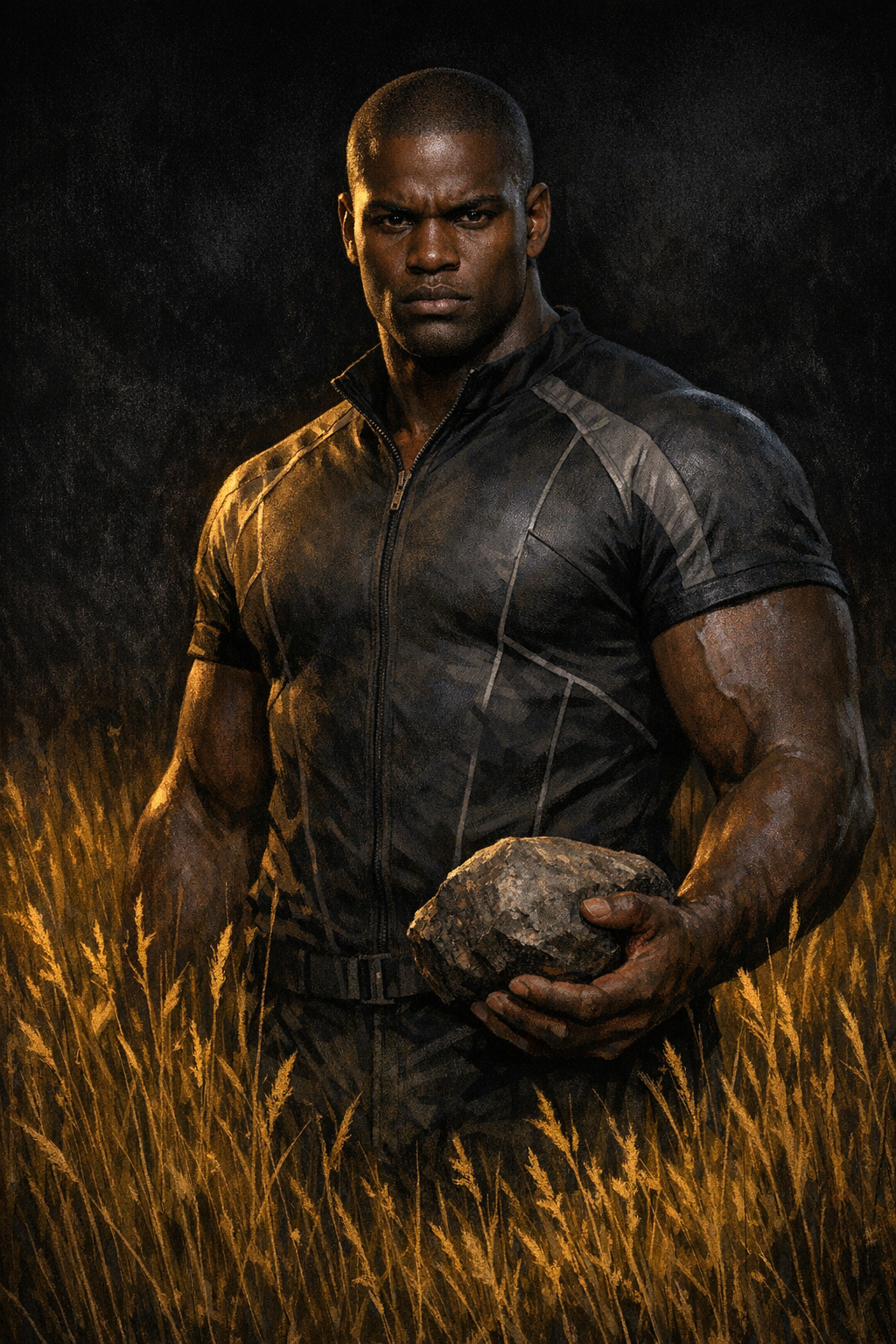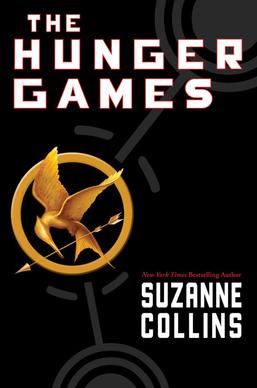
The Hunger Games
Suzanne Collins
Browse chapters below. Sign in anytime to save your reading progress.
Chapters
Save progress and unlock more with a free account
Resume links, your reading list, reactions, and progress-earned unlocks all show up once you sign in.
Dive deeper into the book
Themes stay spoiler-safe until the end
Create a free account to save progress so themes can unlock right when you finish the book.
About this book
Spoiler-light.
TL;DR: A propulsive, emotionally gut-punching dystopian novel about a girl who volunteers for a televised death match to save her sister — fast enough to finish in a weekend, sharp enough to argue about for years.
The book in one paragraph
In Panem, a future nation built on the ruins of North America, a wealthy Capitol rules twelve hungry districts and reminds them of their place with the Hunger Games: an annual fight to the death between twenty-four teenagers, broadcast live for the whole country to watch. When her twelve-year-old sister Prim is chosen, sixteen-year-old Katniss Everdeen — a hunter who has kept her family alive since her father's death — volunteers to take her place. Swept to the Capitol, restyled, scored, and dropped into an engineered arena alongside Peeta Mellark, a baker's son with a secret history with her, Katniss has to outlast trained killers, a manipulated landscape, and a watching nation. Survival turns out to be the easy part.
Why readers gather around this book
The Hunger Games looks like a thriller and reads like one — but it's built on questions worth a long argument. It's about who gets to watch suffering for entertainment, what survival does to a person, and how a small, human act can become a political symbol the powerful can't control. It gives a book club a fast, shared read and then refuses to let anyone off the hook about why they couldn't put it down.
What to know before reading
- Reading experience: Fast, tense, and hard to stop — tight first-person, present-tense narration that puts you directly behind Katniss's eyes. Most readers finish it quickly.
- Genre / mood: Young-adult dystopian science fiction with the pacing of a survival thriller and the moral weight of something heavier.
- Content notes: Sustained life-or-death peril and the deaths of children and teenagers, handled seriously rather than gratuitously. The violence is meaningful, never a thrill — but it is present throughout.
- Best for: Readers who love a strong heroine, high stakes, and a story that's genuinely exciting and genuinely about something. Crosses over easily from teen to adult readers.
Main characters
Spoiler-safe sketches.
- Katniss Everdeen — A sixteen-year-old hunter and family provider who volunteers for the Games in her sister's place; the novel's wary, watchful narrator.
- Peeta Mellark — The baker's son who enters the arena beside her, warm and steady, carrying a secret he's held since childhood.
- Primrose Everdeen — Katniss's gentle twelve-year-old sister, the person she loves most and the reason the story begins.
- Gale Hawthorne — Katniss's hunting partner and closest friend back home, angrier at the Capitol than she dares to be.
- Haymitch Abernathy — District 12's only living victor and the tributes' mentor: a sharp strategist buried inside a drunk.
- Effie Trinket — The relentlessly cheerful Capitol escort who manages the tributes through the Capitol's machinery.
- Cinna — Katniss's understated stylist, whose designs turn her into the unforgettable "Girl on Fire."
- President Coriolanus Snow — The cold, patient ruler of Panem, mostly offstage and entirely in control.
How the book is shaped
The novel runs 27 chapters in three nine-chapter parts — The Tributes, The Games, and The Victor — a clean three-act shape that moves from the reaping, through the arena, to the costly aftermath. It's told entirely in Katniss's first-person, present-tense voice, which keeps the reader locked to exactly what she knows and feels in the moment. Chapters are short and end on hooks, which is much of why the book is so hard to set down.
Major themes
- Survival as a televised performance — In the arena, staying alive means giving the cameras a show.
- What staying alive costs — Every victory in the book arrives damaged; survival is never clean.
- Hunger as a weapon — The Capitol keeps the districts poor and hungry because hungry people are easier to rule.
- How a symbol catches fire — Small, human acts, broadcast widely, become defiance the Capitol can't contain.
- The people you'd die for — Love and sacrifice are the one force the Games can't fully weaponize.
Best discussion angles
- The Games only work because people watch them. How does the book implicate its own audience — and us?
- Katniss insists almost everything she does is strategy. How much of her behavior do you actually believe is calculated?
- Peeta wants to come through the Games "still himself." Is that integrity, or a privilege Katniss can't afford?
- The novel is locked to Katniss's first-person, present-tense voice. How would the story change if you could see her from outside?
- The Hunger Games arrived in 2008. Has its picture of spectacle, surveillance, and reality entertainment aged well — or too well?
Where to read it
Buy / borrow / listen links — to be filled in by the site.
Want a printable book-club kit?
Printable discussion cards, character portraits, and chapter cover art — coming soon.