
The Hunger Games
The Hunger Games
TL;DR: A teenage girl's fight to survive a televised death match becomes the spark of a revolution, in a three-book saga about survival, spectacle, and the cost of war.



Spoiler-safe series guide.
What the series is
The Hunger Games is a trilogy set in Panem, a future nation built on the ruins of North America, where a glittering Capitol holds absolute power over twelve impoverished districts. Each year, as punishment for a long-ago rebellion, the Capitol forces every district to send two teenagers into the Hunger Games — a fight to the death staged as live entertainment for the whole country.
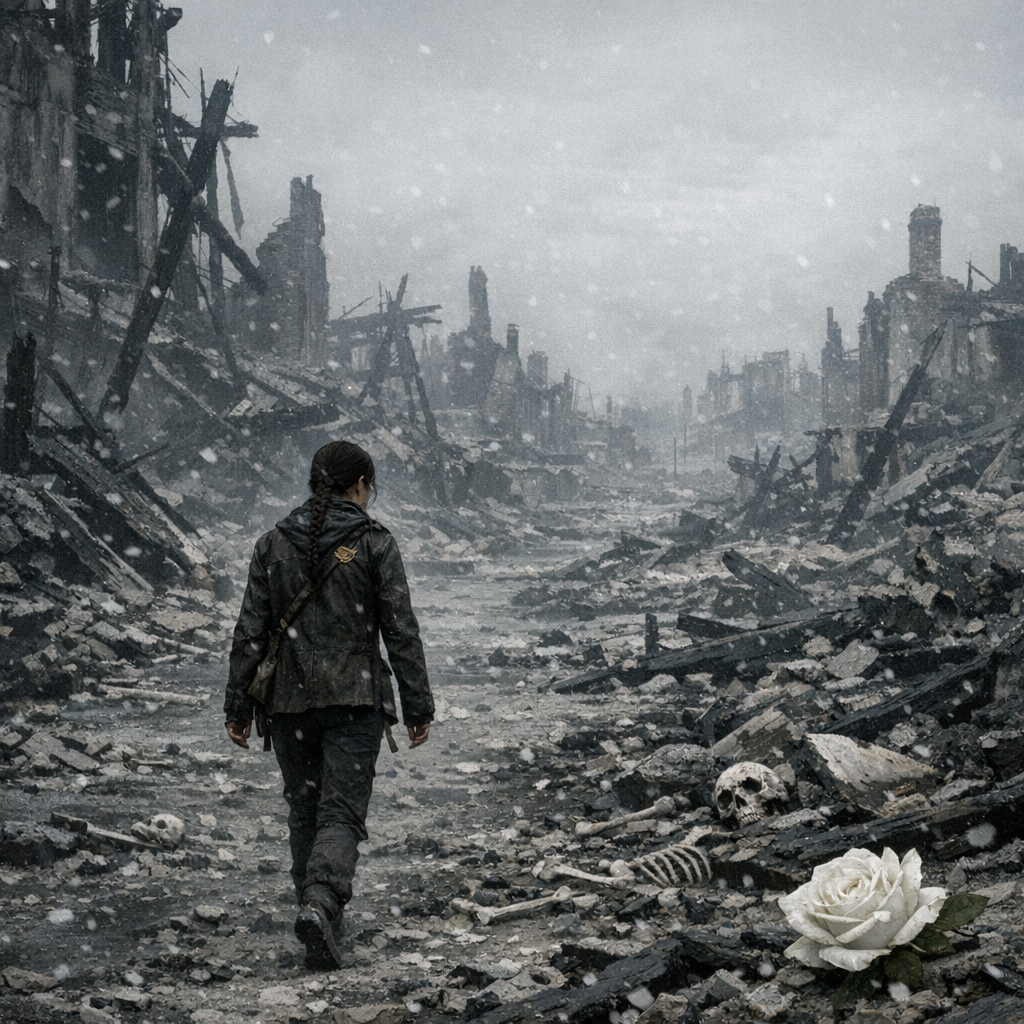
Across three books the story widens from one girl's struggle to stay alive into the story of a nation deciding whether it can be free. It is fast, tense, and emotionally direct, but it never treats violence as a thrill: the series is fundamentally about what survival costs, who profits from spectacle, and whether someone can be used as a symbol without being consumed by it.
The trilogy rewards readers straight through. It begins as a survival story, becomes a story about propaganda and image, and ends as a story about war and its aftermath — each book darker and more morally complicated than the last.
How to read it
Recommended order: publication order, which is also chronological.
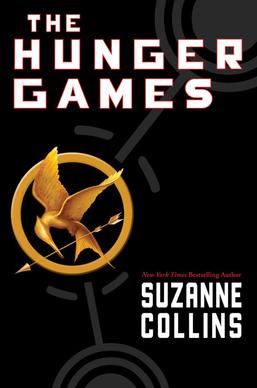
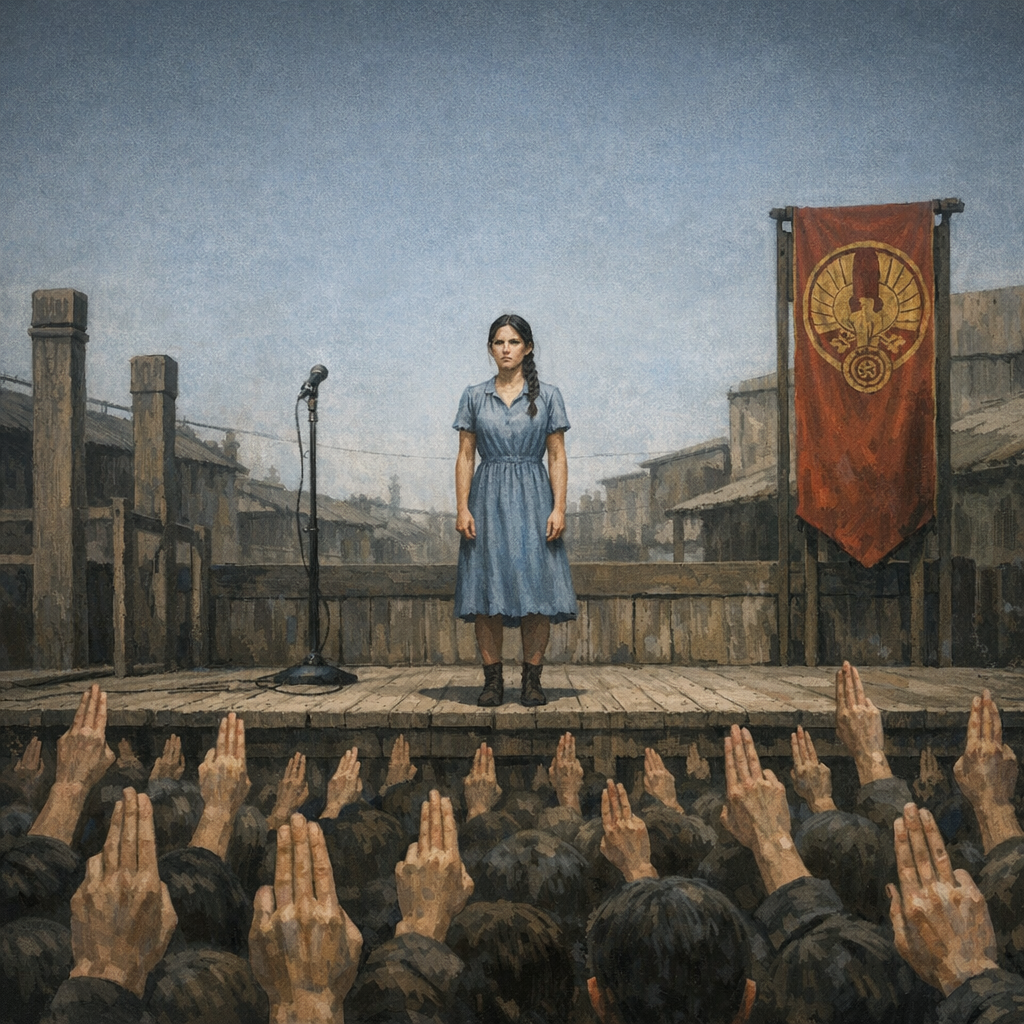
- The Hunger Games (2008) — A girl volunteers to take her sister's place in a televised death match, and her defiance inside the arena makes her famous in a way the Capitol never intended.
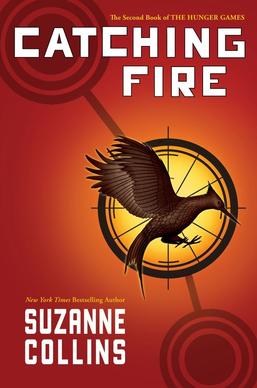
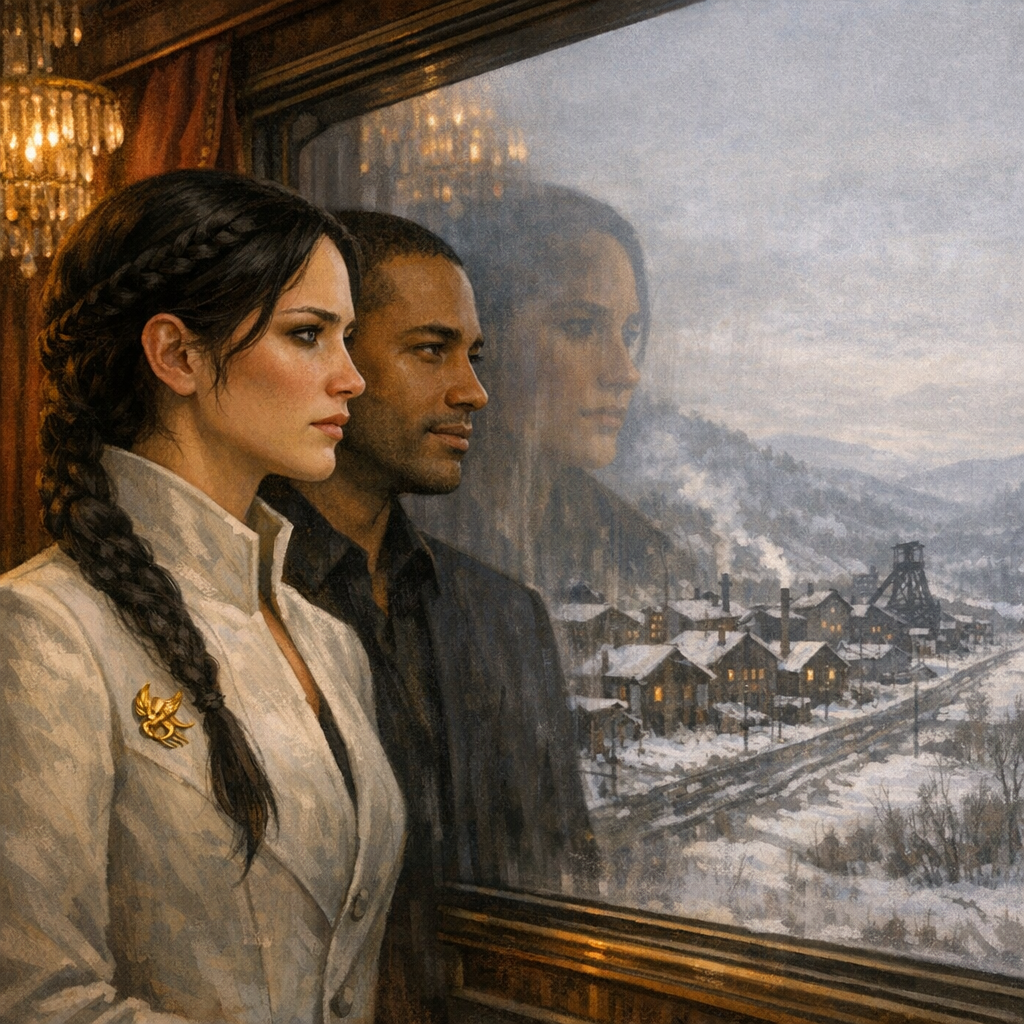
- Catching Fire (2009) — Survival turns out to be only the beginning; the spark Katniss lit refuses to go out, and the Capitol moves to crush it.
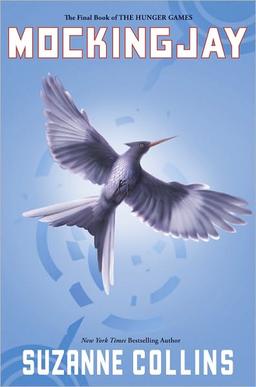
- Mockingjay (2010) — Open rebellion arrives, and Katniss must decide what she is willing to become, and to lose, to see it through.
Recurring characters
Spoiler-safe — full character pages live in each book's guide.
- Katniss Everdeen — The series' narrator: a hunter and provider from District 12 whose instinct to protect the people she loves keeps pulling her toward the center of history.
- Peeta Mellark — The baker's son who entered the arena beside her, steady and good in a world that punishes both.
- Gale Hawthorne — Katniss's closest friend from home, angrier at the Capitol and more willing to fight it directly.
- Haymitch Abernathy — District 12's lone past victor, a sharp strategist hiding inside a drunk.
- Effie Trinket — The Capitol escort whose bright manners slowly collide with what the Capitol actually does.
- President Coriolanus Snow — The cold, patient ruler of Panem and the trilogy's central antagonist.
The world
Panem is a single nation ruled from a wealthy, technologically dazzling Capitol. Around it sit twelve districts, each kept poor and specialized — coal, agriculture, fishing, luxury goods — and walled off from one another so they cannot unite. District 12, where the story begins, is a hungry coal-mining district on the country's edge.
The Hunger Games themselves are the Capitol's central instrument of control: part punishment, part warning, part national television event, complete with stylists, sponsors, interviews, and an engineered arena that the Gamemakers reshape at will. Understanding the series means understanding that the cruelty is also a broadcast — the suffering is the point, and so is the audience.
As the trilogy progresses, the world opens beyond the arena: other districts, the Capitol's interior, and the machinery of propaganda on every side. The series is as interested in who controls the cameras as in who controls the weapons.
The major arcs
Spoiler-safe shape of the journey across books.
- Survival into defiance — What begins as one girl's effort to simply stay alive becomes, almost against her will, an act of rebellion others rally behind.
- The making of a symbol — The series tracks how a person is turned into an image, and what that image costs the person underneath it.
- The price of war — As rebellion becomes reality, the trilogy refuses easy triumph, asking honestly what violence does even to the side that wins.
Who should read this series
Read this if you want a fast, gripping story that still takes its own moral weight seriously — propulsive enough to finish in a weekend, thoughtful enough to argue about afterward. It rewards readers who like a strong first-person voice, high stakes, and a heroine who is brave but never simple. It is YA in packaging, but its questions about media, power, and complicity land for adult readers just as hard.
If you finish and want more
"Read next" placeholder — fill in with adjacent series and authors.