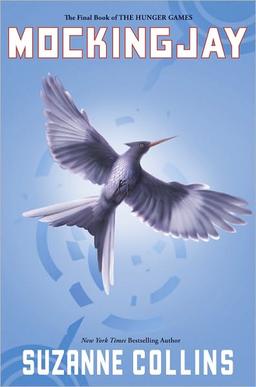
Mockingjay
Suzanne Collins
Browse chapters below. Sign in anytime to save your reading progress.
Chapters
Save progress and unlock more with a free account
Resume links, your reading list, reactions, and progress-earned unlocks all show up once you sign in.
Dive deeper into the book
Themes stay spoiler-safe until the end
Create a free account to save progress so themes can unlock right when you finish the book.
About this book
Spoiler-light.
TL;DR: The final book of the Hunger Games trilogy turns a survival story into a war story — Katniss becomes the living symbol of a revolution, and discovers that being a symbol costs as much as being a soldier.
The book in one paragraph
District 12 is ash. The Capitol firebombed Katniss Everdeen's home to punish the defiance that broke the Quarter Quell arena, and the survivors now shelter in District 13 — the long-presumed-dead district that has been quietly preparing for war underground. District 13's President Coin and the rebel filmmakers want Katniss to become the Mockingjay: the face, the voice, the rallying image of the revolution. She agrees, but on her own terms. As the districts rise and the war grinds toward the Capitol itself, Katniss is sent into combat zones to film propaganda, while the boy she loves, Peeta Mellark, is held prisoner and used against her. Mockingjay is the trilogy at its darkest and most honest — a book about propaganda, trauma, and what victory actually costs.
Why readers gather around this book
Mockingjay is the book that refuses the easy ending. After two novels of arenas and spectacle, it asks the harder questions: what happens to a person who has been turned into a symbol, who really holds power when a rebellion wins, and whether any side in a war stays clean. It splits readers — some find it the bravest book in the trilogy, others the bleakest — and that disagreement is exactly what makes it such fertile ground for a book club. It is a war novel wearing YA packaging, and it takes its own body count seriously.
What to know before reading
- Reading experience: Fast and tense, but heavier and more interior than the first two books — this is a war story, told through a narrator running low on hope.
- Genre / mood: Young-adult dystopian science fiction; a war drama and a study of propaganda and trauma.
- Read the first two books first: This is the final volume of a trilogy. Start with The Hunger Games and Catching Fire — Mockingjay opens in the immediate wreckage of the Quarter Quell.
- Content notes: War violence, bombing, torture, post-traumatic stress, and the deaths of significant characters — handled seriously and without spectacle.
- Best for: Readers who want the trilogy to follow its ideas all the way down, even when the destination is grief rather than triumph.
Main characters
Spoiler-safe sketches.
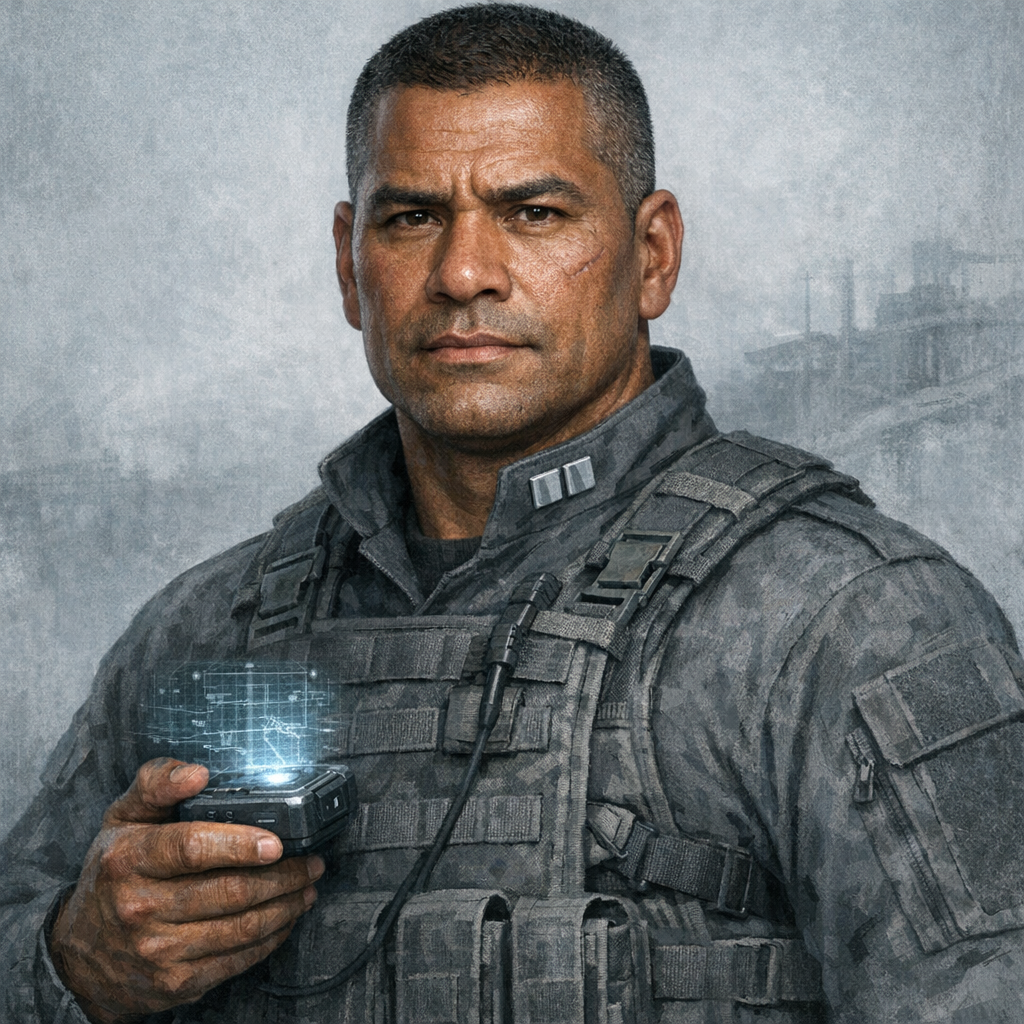
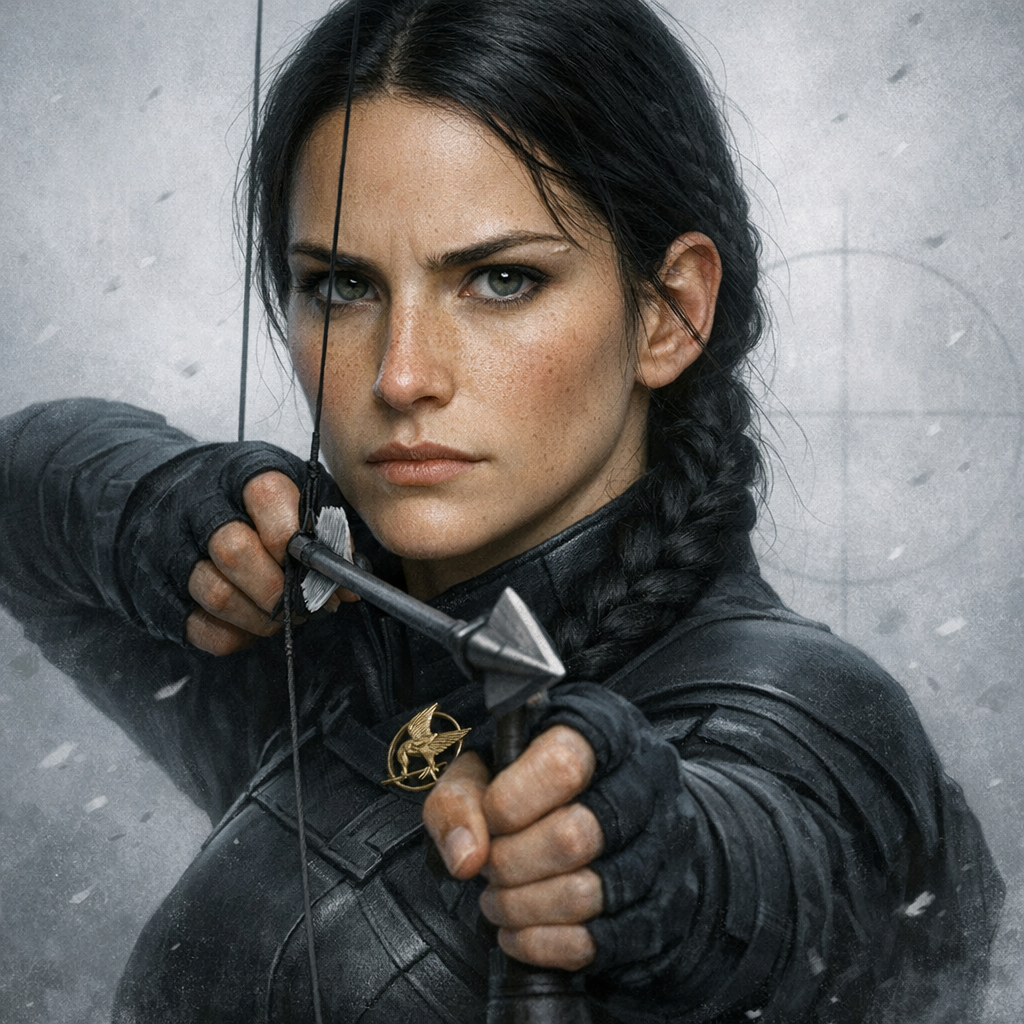
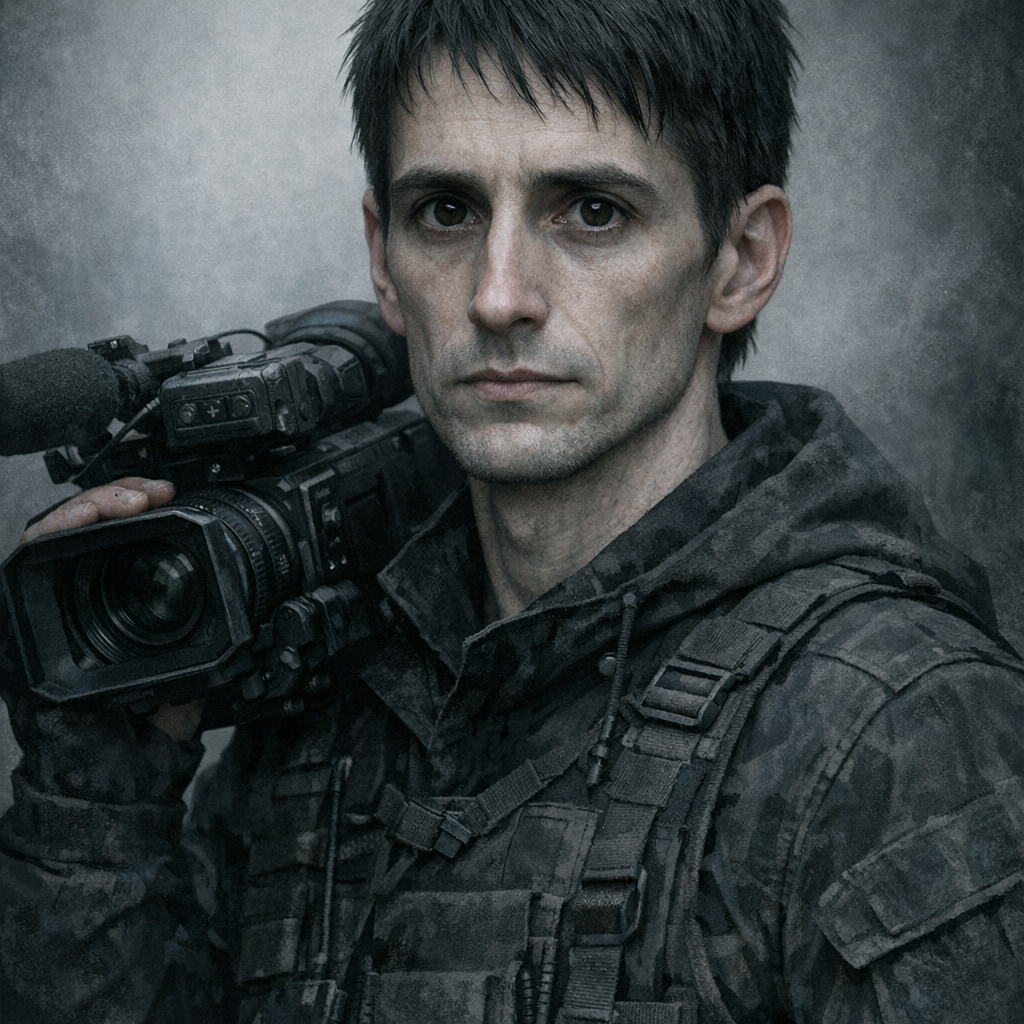
- Katniss Everdeen — The series' narrator: a traumatized two-time victor asked to become the living symbol of a revolution she never planned to lead.
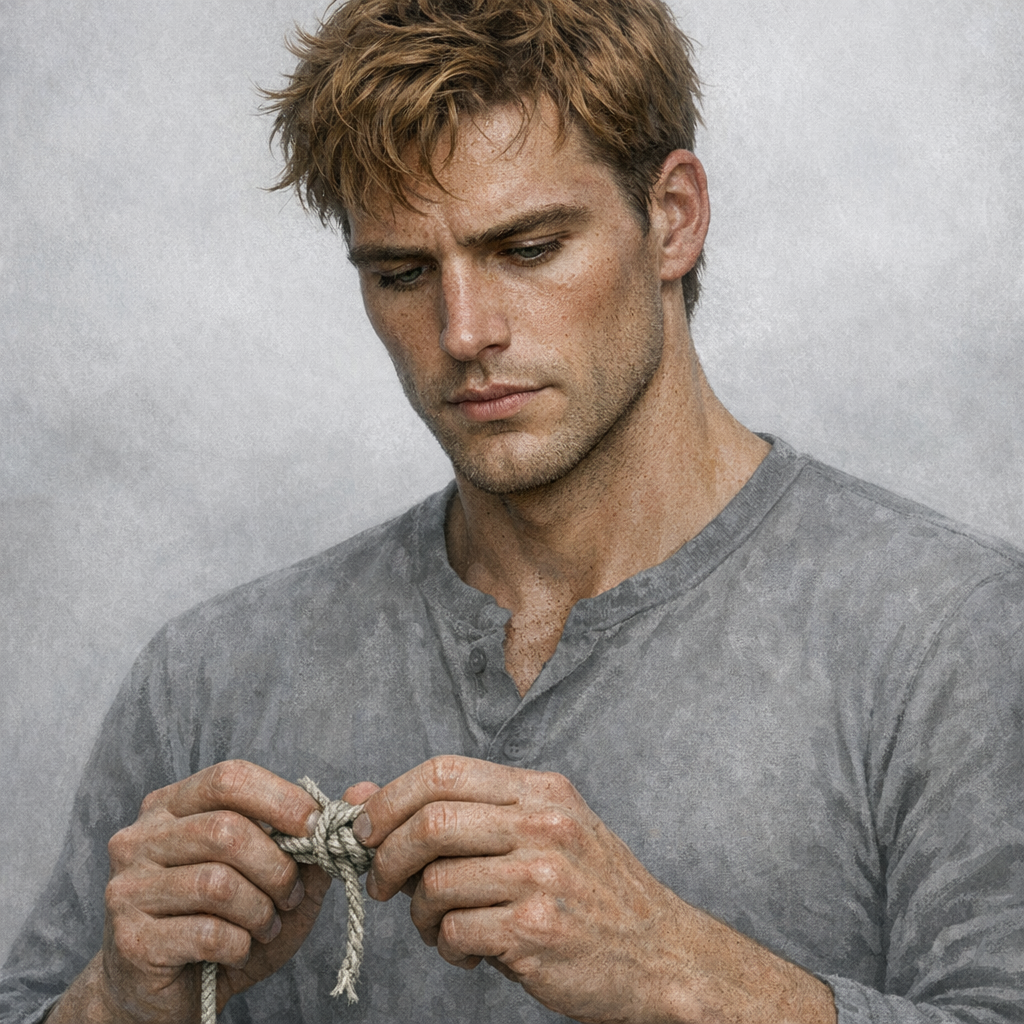
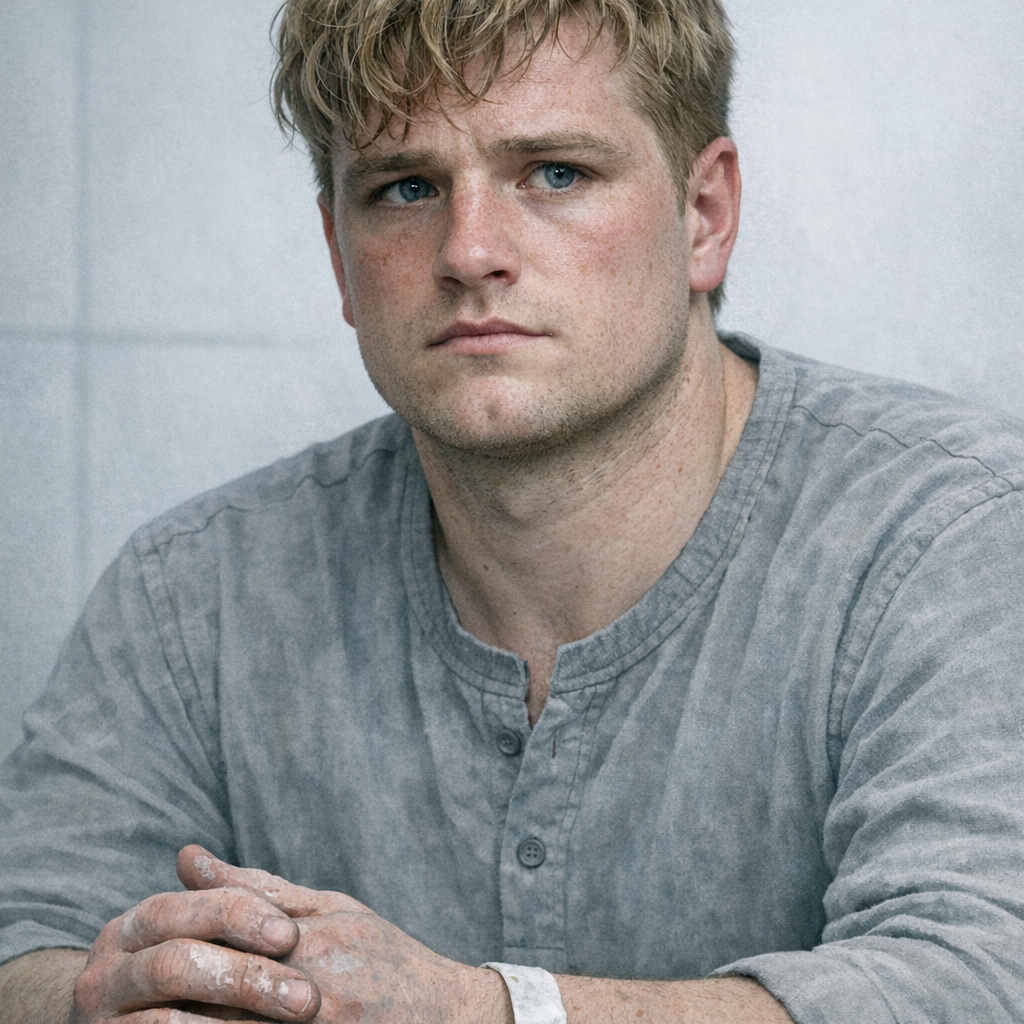
- Peeta Mellark — The baker's son who loved her, captured by the Capitol and turned into a weapon against her.
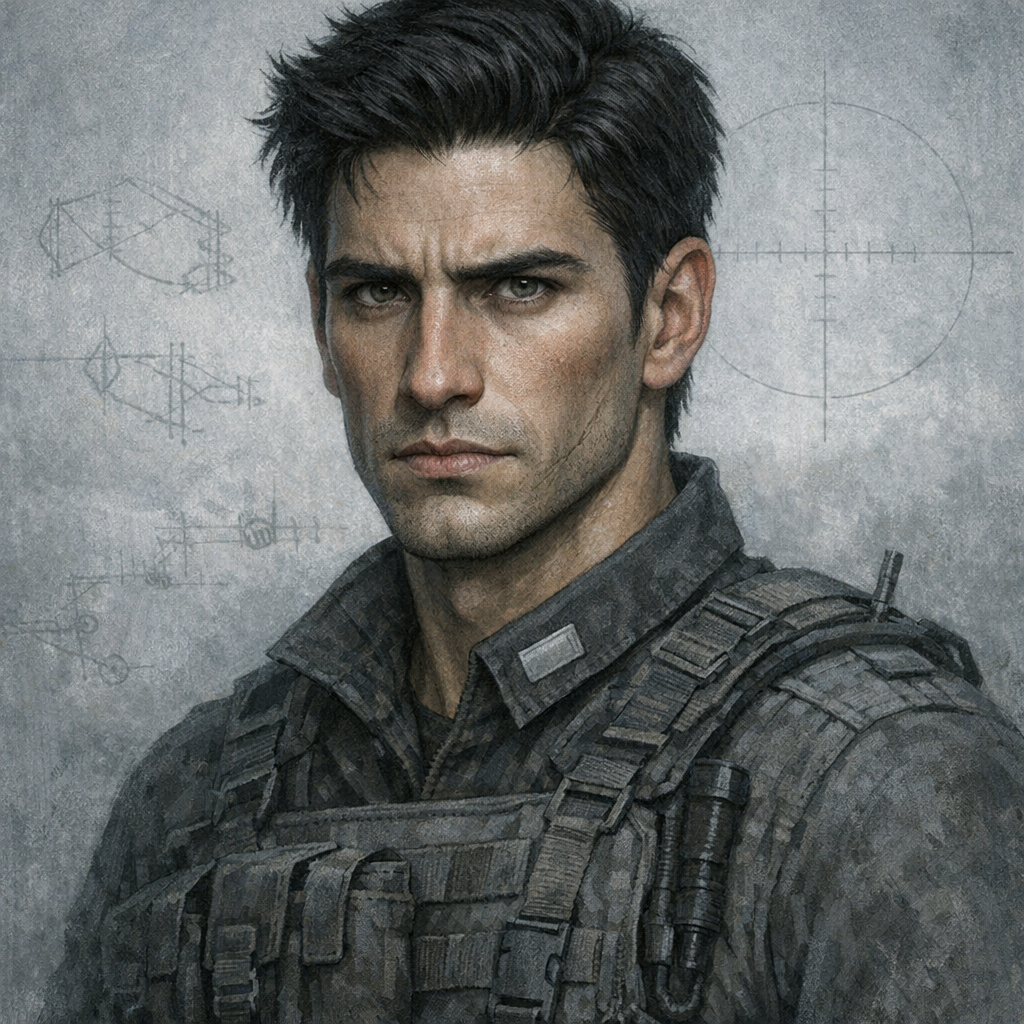
- Gale Hawthorne — Katniss's oldest friend, now a rebel soldier whose appetite for victory is starting to frighten her.
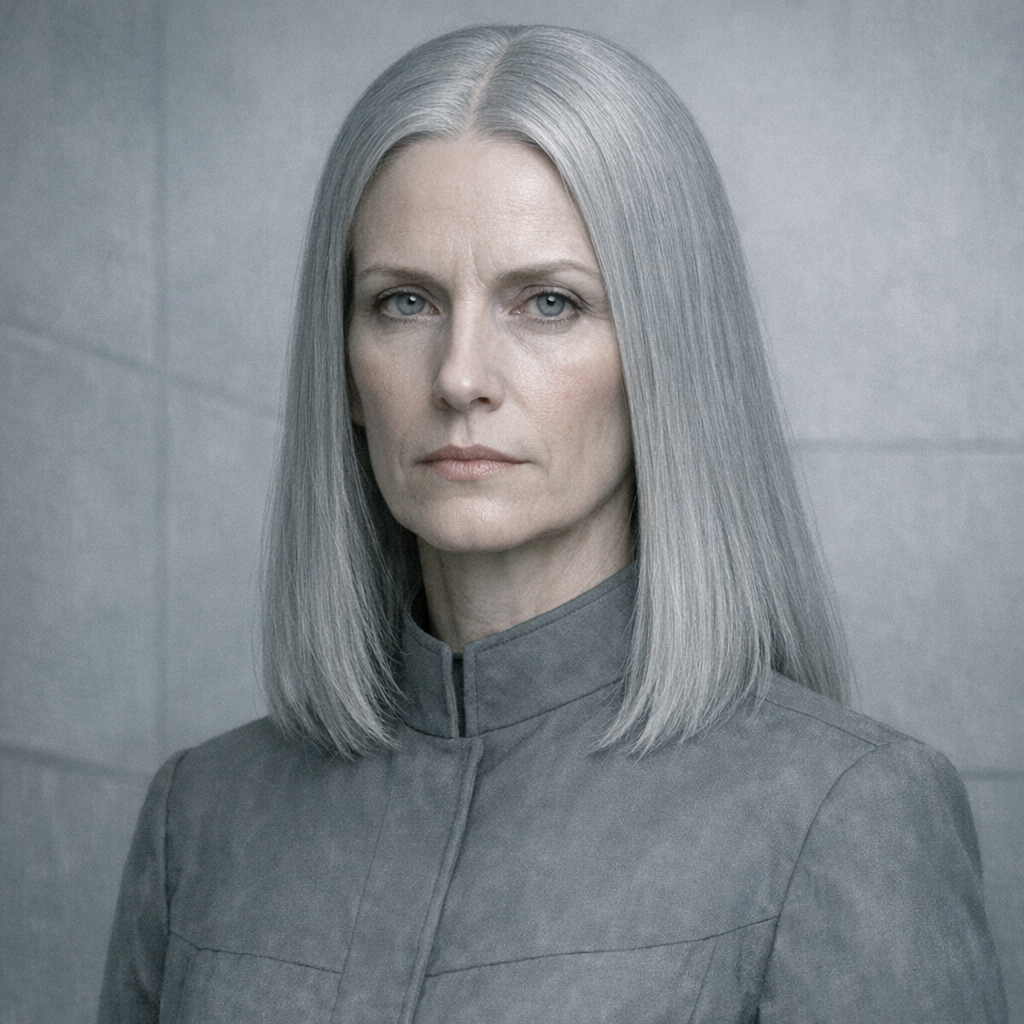
- President Alma Coin — The cold, exact leader of District 13 and the rebellion — and a new kind of question about power.
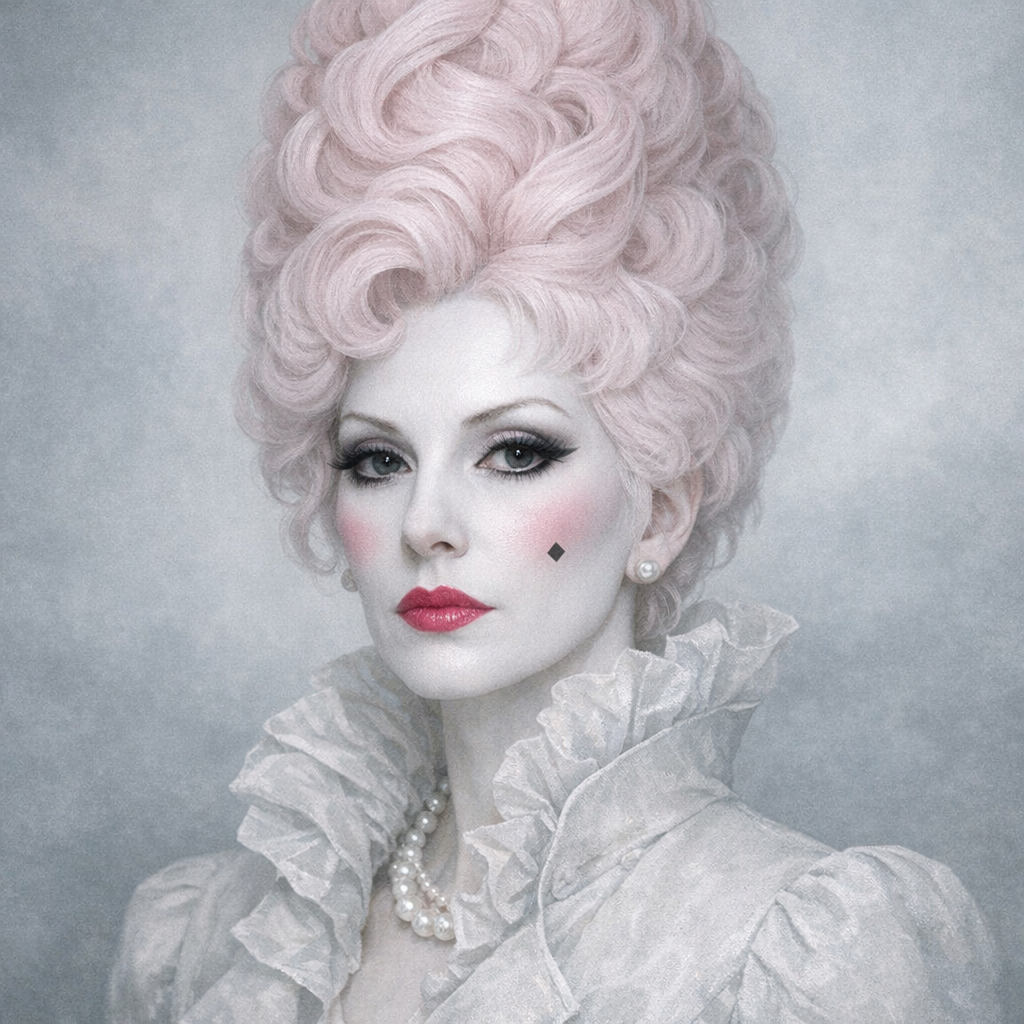
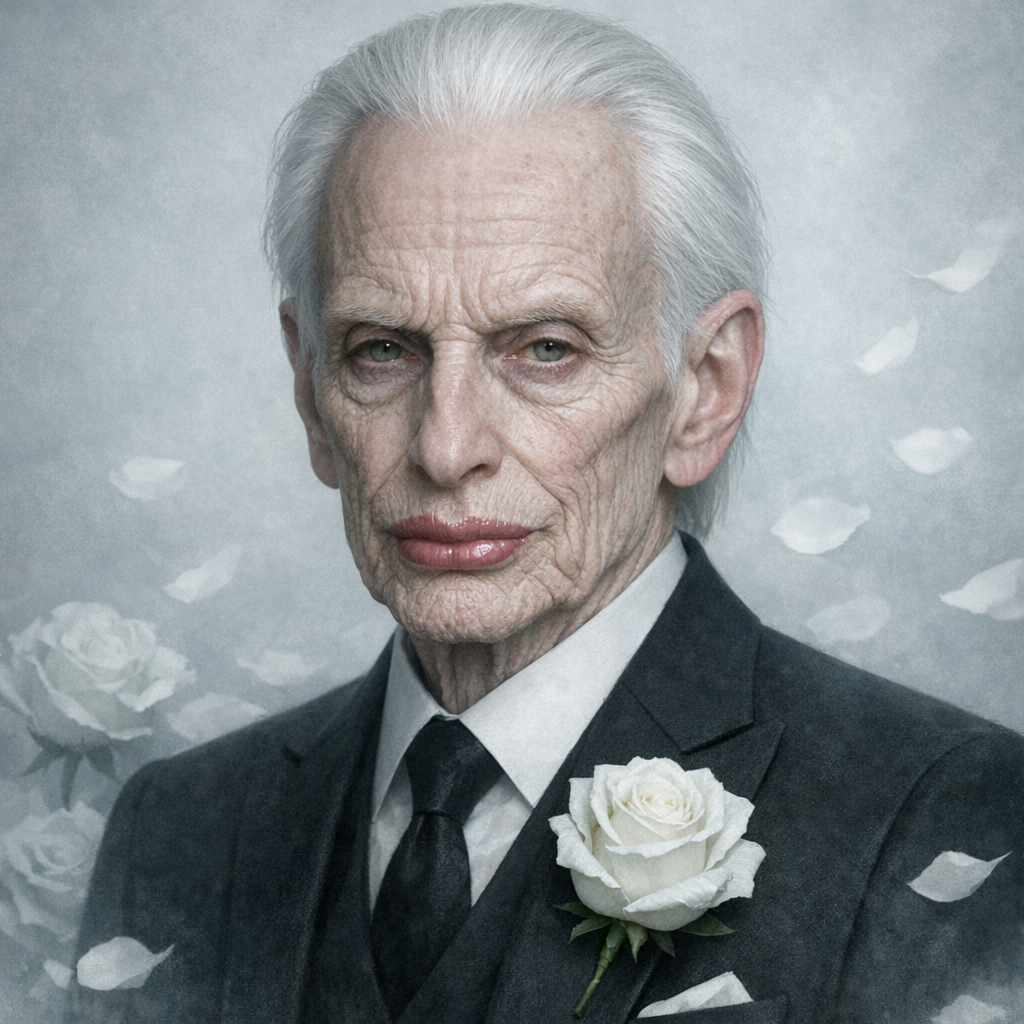
- President Coriolanus Snow — The Capitol's ruler and the rebellion's target, still able to reach Katniss with a single white rose.
- Finnick Odair — The District 4 victor and secret rebel, brilliant and badly damaged.
- Haymitch Abernathy — District 12's surviving victor and mentor, sober at last and sharper for it.
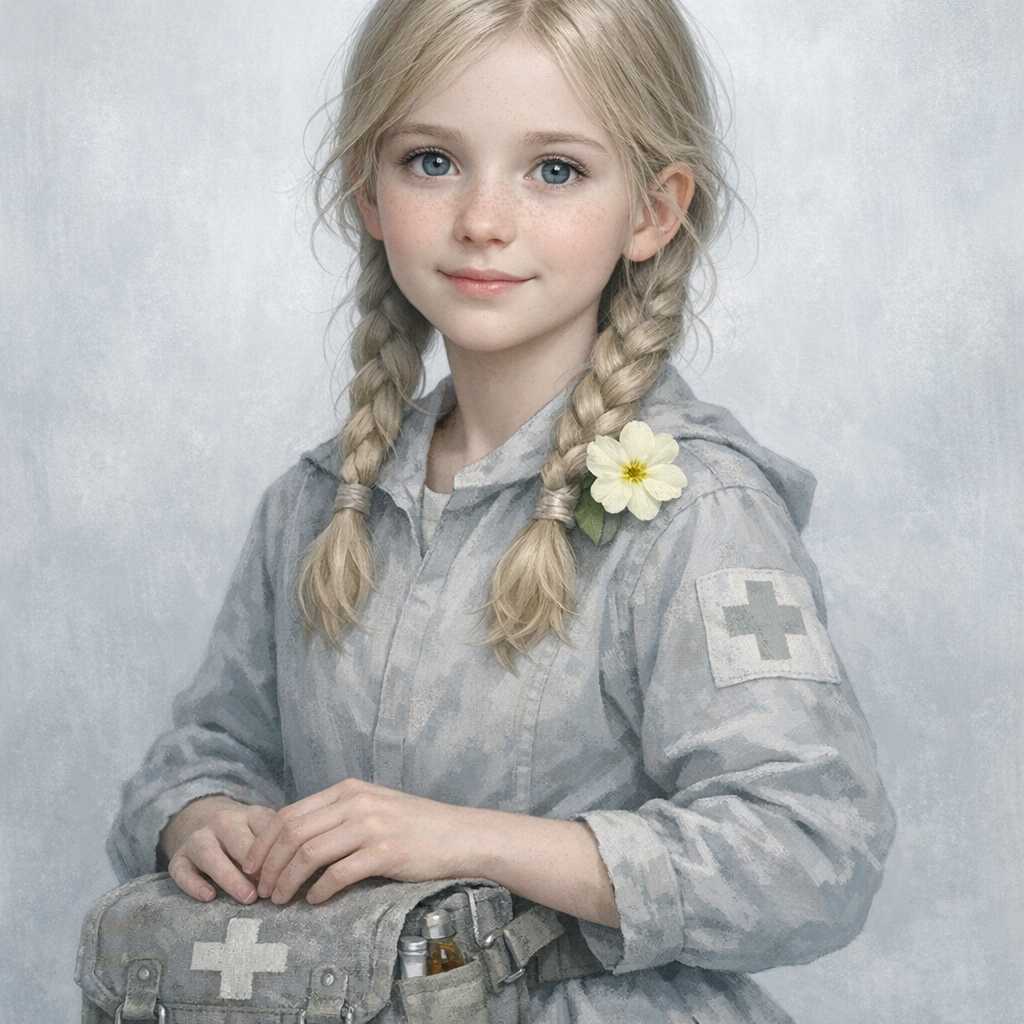
- Primrose Everdeen — Katniss's younger sister, now a gifted young medic and still the reason for everything.
How the book is shaped
Like the two books before it, Mockingjay runs 27 chapters in three nine-chapter parts — The Ashes, The Assault, and The Assassin — a three-act march from the ruins of District 12, through the war's escalation, to a final act in the Capitol itself. It is told entirely in Katniss's first-person, present-tense voice, and that voice is more fractured here than ever before: this is a narrator carrying the weight of every death the war hands her.
Chapter guide
A chapter-by-chapter companion is available in the chapters section — TL;DRs, key moments, and discussion questions for all 27 chapters, each labeled with its spoiler level so you can read along without getting ahead of yourself.
Major themes
The full themes guide covers the threads that run through the book: propaganda and the war of images, the trauma the Games and the war leave behind, what it costs to be made into a symbol, the moral cost of total war, and how power can corrupt any side that holds it. See the themes page for the deep dive.
Best discussion angles
- Katniss agrees to be the Mockingjay only on conditions. How much real power does a symbol actually have over the people using it?
- The book draws a hard line between Snow's cruelty and the rebellion's tactics. Does it let the rebellion stay morally cleaner — and should it?
- Peeta is turned into a weapon against Katniss. What does the book say about whether a person can be reclaimed after being weaponized?
- Gale and Katniss want the same victory but not the same war. What finally separates them, and was it always going to?
- Mockingjay ends quietly, on survival rather than triumph. Did that ending feel honest, or like a refusal of catharsis?
Where to read it
Buy / borrow / listen links — to be filled in by the site.
Want a printable book-club kit?
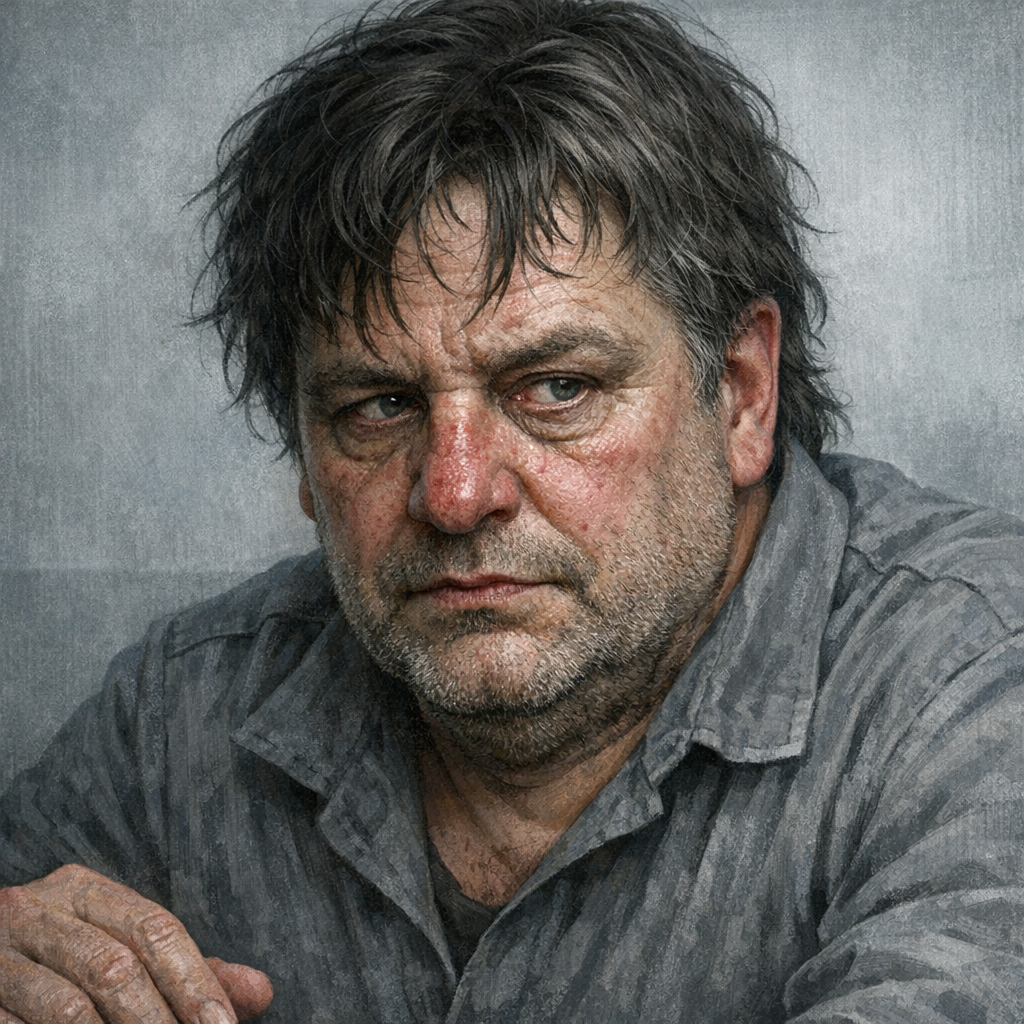
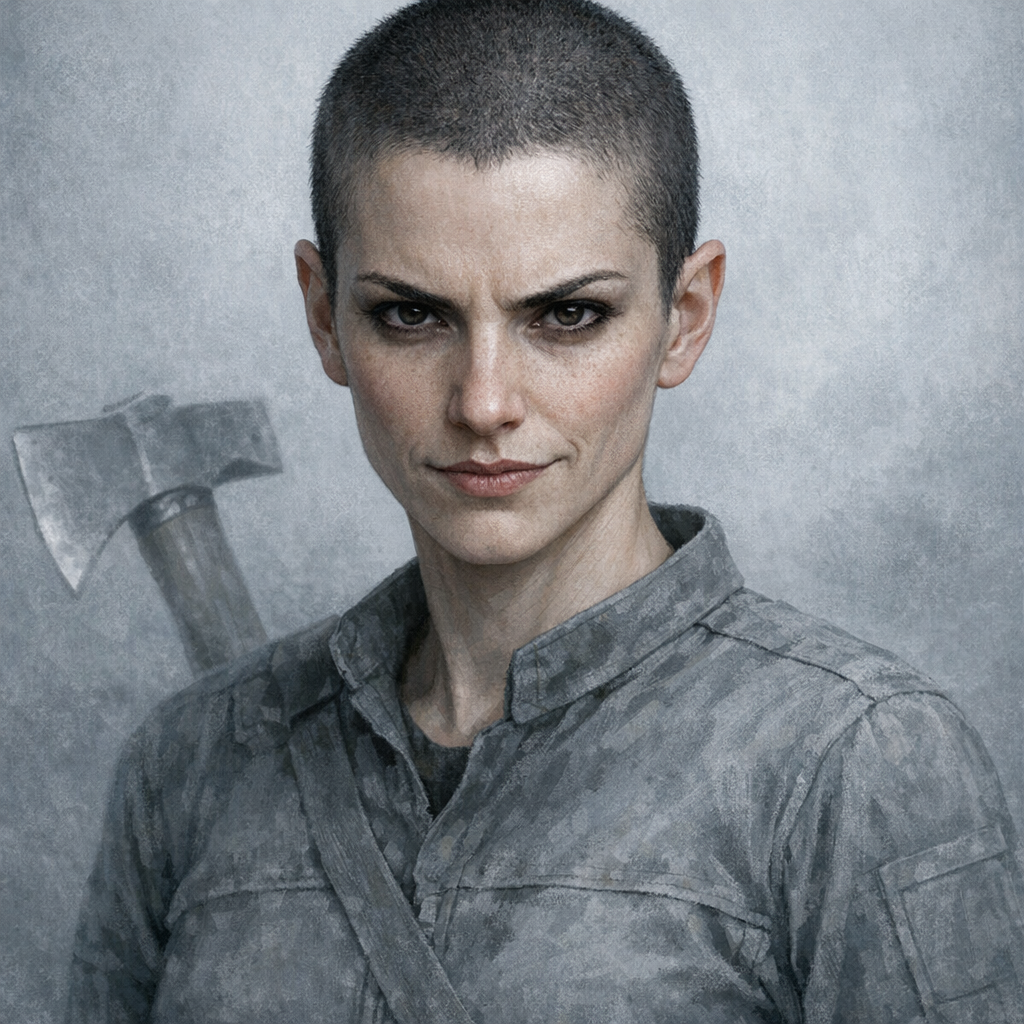
Printable discussion cards, character portraits, and chapter cover art — coming soon.